Can nylon tubing be used in high – altitude environments?
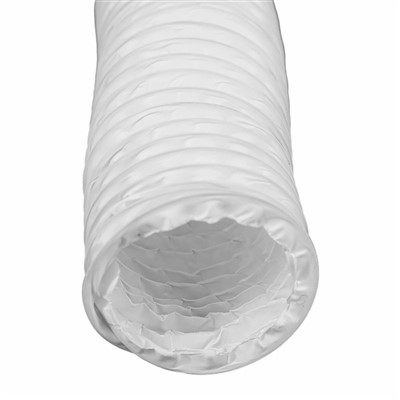
As a supplier of nylon tubing, I often receive inquiries about the suitability of our products for various challenging environments. One question that has come up more frequently lately is whether nylon tubing can be used in high – altitude environments. In this blog, I’ll delve into the properties of nylon tubing, the unique conditions of high – altitude settings, and analyze whether nylon tubing is a viable option for such areas. Nylon Tubing
Properties of Nylon Tubing
Nylon tubing is well – known for its remarkable set of properties. First and foremost, it has excellent mechanical strength. Nylon is a polymer that can withstand significant tensile forces without easily breaking or deforming. This means that in normal use, nylon tubing can handle the pressure of fluids flowing through it, whether it’s a liquid or a gas.
Secondly, nylon tubing has good chemical resistance. It can resist a wide range of chemicals, including many solvents, oils, and weak acids and bases. This makes it suitable for use in various industrial applications where contact with different substances is inevitable.
Another important property of nylon tubing is its flexibility. It can be bent and shaped relatively easily without cracking or losing its integrity. This flexibility allows for easy installation in complex systems, where the tubing may need to navigate around obstacles or follow a specific path.
In addition, nylon tubing has a low coefficient of friction. This is beneficial when fluids are flowing through the tubing, as it reduces the energy required to move the fluid and minimizes the risk of blockages.
Conditions in High – Altitude Environments
High – altitude environments present a unique set of challenges. One of the most significant factors is the low atmospheric pressure. As altitude increases, the air pressure decreases. This can have a profound impact on materials and systems. For example, in a closed system using tubing, the pressure differential between the inside and outside of the tubing can change. If the tubing is not designed to handle these pressure changes, it may expand or contract, leading to leaks or even structural failure.
Temperature is another critical factor in high – altitude areas. Temperatures at high altitudes are generally lower than at sea – level, and there can also be large temperature fluctuations between day and night. Cold temperatures can make materials more brittle, reducing their flexibility and increasing the risk of cracking. On the other hand, rapid temperature changes can cause thermal stress within the tubing, which may also lead to damage over time.
UV radiation is more intense at high altitudes because there is less atmosphere to absorb and scatter the sunlight. Prolonged exposure to high – intensity UV radiation can degrade many polymers, including nylon. UV radiation can break the chemical bonds in the nylon, leading to a loss of strength, color change, and surface cracking.
Finally, high – altitude areas may also experience strong winds, dust, and sandstorms. These environmental factors can cause physical abrasion to the tubing, wearing away the surface and potentially compromising its integrity.
Analysis of Nylon Tubing in High – Altitude Environments
Let’s start with the issue of low atmospheric pressure. Nylon tubing’s mechanical strength gives it an advantage in withstanding the pressure differentials caused by low – altitude air pressure. The high tensile strength of nylon means that it can resist the forces exerted on it as the pressure inside and outside the tubing changes. However, it’s important to note that extreme pressure differentials may still pose a risk. For example, if the tubing is used in a very high – altitude application where the pressure difference is extremely large, additional reinforcement or special design considerations may be necessary.
Regarding temperature, nylon tubing has a relatively wide operating temperature range. However, at extremely low temperatures, nylon can become more brittle. Special formulations of nylon can be used to improve its cold – temperature performance. For example, some nylon compounds are engineered to retain their flexibility and toughness at lower temperatures. These modified nylons can be a better choice for high – altitude applications where cold temperatures are a concern. Although nylon’s performance degrades to some extent with cold, proper selection can mitigate this issue.
UV radiation is a more challenging factor for nylon tubing. As mentioned earlier, UV can damage nylon over time. To address this, manufacturers can add UV stabilizers to the nylon during the production process. These stabilizers absorb or reflect the UV radiation, preventing it from breaking the chemical bonds in the nylon. By using UV – stabilized nylon tubing, the risk of degradation due to UV exposure can be significantly reduced.
Physical abrasion from wind – borne dust and sand is also a consideration. Nylon tubing, due to its moderate hardness and flexibility, has some resistance to abrasion. However, in areas with severe sandstorms or high – wind dust conditions, additional protective measures may be required. This could include using a protective sleeve or coating on the nylon tubing to enhance its abrasion resistance.
Case Studies and Real – World Applications
There have been several real – world examples of nylon tubing being used in high – altitude environments. In the aerospace industry, nylon tubing is sometimes used in aircraft systems that operate at high altitudes. These applications often require the tubing to withstand low pressure, cold temperatures, and some level of mechanical stress. Through proper material selection and engineering design, nylon tubing has been able to meet the requirements of these aerospace applications.
In mountainous regions, where high – altitude conditions prevail, nylon tubing is also used in some water supply and irrigation systems. The flexibility of nylon tubing makes it easy to install in the rugged terrain, and with the appropriate UV protection and cold – temperature performance enhancements, it can function effectively over long periods.
Conclusion
In conclusion, nylon tubing can be used in high – altitude environments, but it requires careful consideration and appropriate modifications. The inherent properties of nylon, such as its mechanical strength, chemical resistance, and flexibility, provide a good foundation for use in these challenging settings. However, the low atmospheric pressure, cold temperatures, UV radiation, and physical abrasion in high – altitude areas necessitate special attention.
By using UV – stabilized nylon, cold – resistant formulations, and appropriate protective measures, the performance and durability of nylon tubing in high – altitude environments can be significantly improved. As a nylon tubing supplier, we have the expertise and resources to customize our products to meet the specific requirements of high – altitude applications.
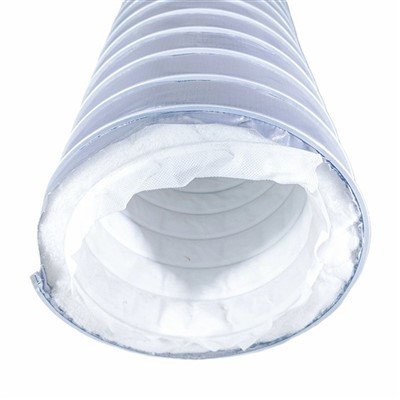
Multilayer PVC Pipe If you are considering using nylon tubing in a high – altitude project, I encourage you to reach out to us for more information. We can provide detailed technical advice, product samples, and work with you to develop the best solution for your needs. Whether it’s for an aerospace application, a mountain – based infrastructure project, or any other high – altitude use, we are here to support you.
References
- "Polymer Materials: Structure and Properties" by John A. Manson and Leslie H. Sperling.
- "Aerospace Materials Handbook" published by the Society of Automotive Engineers (SAE).
- Industry reports on high – altitude infrastructure materials and their performance.
Dongyang Hstube Co., Ltd.
As one of the leading nylon tubing manufacturers and suppliers in China, we warmly welcome you to wholesale cheap nylon tubing for sale here from our factory. If you have any enquiry about free sample, please feel free to email us. Quality products and reasonable price are available.
Address: NO.5 CHENGDONG ECOLOGICAL INDUSTRIAL ZONE, DONGYANG, ZHEJIANG, CHINA.
E-mail: sales@hstube.com
WebSite: https://www.ductword.com/
