When it comes to the manufacturing industry, a four station thermoforming machine is a crucial piece of equipment for many businesses. As a supplier of four station thermoforming machines, I understand the importance of helping customers choose a suitable machine that meets their specific needs. In this blog post, I will share some key factors to consider when selecting a four station thermoforming machine. Four Station Thermoforming Machine

Production Requirements
The first step in choosing a four station thermoforming machine is to assess your production requirements. Consider the volume of products you need to produce. If you have a high – volume production demand, you’ll need a machine with a fast cycle time. The four station design generally allows for more efficient production compared to single or two – station machines. However, different models may have varying cycle times based on their mechanical design, heating systems, and vacuum capabilities.
You also need to think about the size and shape of the products you’ll be manufacturing. Four station thermoforming machines can handle a wide range of product geometries, but you must ensure that the machine you choose can accommodate the maximum and minimum dimensions of your products. For example, if you’re making large containers, the machine’s forming area should be large enough to fit the product mold.
Heating System
The heating system is one of the most critical components of a four station thermoforming machine. There are mainly two types of heating systems: radiant heating and convection heating.
Radiant heating systems are more common and offer several advantages. They heat the plastic sheet quickly by emitting infrared radiation. This type of heating is energy – efficient and allows for precise temperature control. It can also heat the sheet evenly, which is essential for producing high – quality formed products. However, it may have some limitations when it comes to heating thick plastic sheets.
Convection heating systems, on the other hand, use hot air to heat the plastic sheet. They are better at heating thick materials as the hot air can penetrate deeper into the sheet. But they may take longer to heat up and are generally less energy – efficient compared to radiant heating systems.
When choosing a machine, consider the type of plastic material you’ll be using. Different plastics have different melting points and heat – transfer properties. For example, polycarbonate has a relatively high melting point and may require a more powerful heating system compared to polyethylene.
Vacuum and Pressure System
The vacuum and pressure system in a four station thermoforming machine is responsible for forming the plastic sheet into the desired shape. A good vacuum system should be able to create a strong and consistent vacuum quickly. This ensures that the plastic sheet conforms precisely to the mold, resulting in accurate and well – defined products.
The pressure system, which is often used in combination with the vacuum system, can help in achieving better detail and a more uniform wall thickness in the formed products. When evaluating a machine, look for information about the vacuum and pressure capabilities. The vacuum level is usually measured in millibars or inches of mercury, and a higher vacuum level generally means better forming results.
Some machines also offer adjustable vacuum and pressure settings. This flexibility allows you to optimize the forming process for different plastic materials and product designs.
Automation and Control
Automation has become an essential feature in modern four station thermoforming machines. It can significantly improve productivity, reduce labor costs, and enhance product quality. An automated machine can perform tasks such as sheet feeding, heating, forming, trimming, and stacking with minimal human intervention.
Look for a machine with a user – friendly control system. A good control panel should allow you to easily set and adjust parameters such as temperature, cycle time, vacuum, and pressure. Some advanced machines also come with programmable logic controllers (PLCs) and touch – screen interfaces. These features make it easier to store and recall different production recipes, which is especially useful if you manufacture multiple types of products.
The level of automation also affects the machine’s safety. Automated machines often come with safety sensors and interlocks to prevent accidents and ensure operator safety.
Quality and Durability
The quality and durability of a four station thermoforming machine are crucial for long – term operation. A high – quality machine is less likely to break down, which means less downtime and more consistent production.
Consider the materials used in the construction of the machine. The frame should be made of strong and stable materials such as steel to withstand the mechanical stresses during operation. The heating elements, pumps, and other components should also be of high quality to ensure reliable performance.
Look for a machine that has been rigorously tested and meets industry standards. Manufacturers often provide information about the testing procedures and quality control measures they have in place. You can also ask for customer references to get an idea of the machine’s performance and reliability in real – world applications.
After – Sales Service and Support
After – sales service and support are often overlooked but are extremely important when choosing a four station thermoforming machine. A reliable supplier should offer comprehensive after – sales services, including installation, training, maintenance, and repair.
During the installation process, the supplier should ensure that the machine is properly set up and calibrated. They should also provide training to your operators so that they can use the machine safely and efficiently.
In case of any breakdowns or malfunctions, the supplier should be able to respond quickly and provide the necessary parts and technical support. Look for a supplier that has a wide network of service technicians and a good inventory of spare parts.
Cost – Effectiveness
Finally, cost – effectiveness is a major consideration when choosing a four station thermoforming machine. The initial purchase price of the machine is important, but you should also consider the long – term costs, including energy consumption, maintenance, and spare parts.
A more expensive machine may offer better performance, higher efficiency, and lower energy consumption in the long run. It may also require less maintenance, which can save you money over time. On the other hand, a cheaper machine may seem like a good deal initially but could end up costing you more due to higher energy bills and frequent repairs.
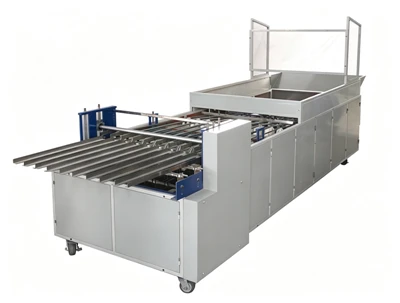
In conclusion, choosing a suitable four station thermoforming machine requires careful consideration of various factors, including production requirements, heating system, vacuum and pressure system, automation and control, quality and durability, after – sales service, and cost – effectiveness. As a supplier, I am dedicated to helping you find the right machine that fits your specific needs. If you have any questions or are interested in discussing your requirements further, please feel free to reach out. We can arrange a detailed consultation to assess your situation and provide you with the best solutions.
Three Station Thermoforming Machine References
- "Thermoforming Handbook" by John W. Gillespie Jr.
- Technical literature from leading thermoforming machine manufacturers
Zhejiang Sayeah Machinery Co., Ltd.
Zhejiang Sayeah Machinery Co., Ltd. is one of the most reliable manufacturers and suppliers of four station thermoforming machine in China, also supports high quality customized service. Please feel free to buy CE approved four station thermoforming machine from our factory. For price consultation, contact us.
Address: Wanquan District Industrial Zone,West Of China National Highway 104, Sunlou Village, Wanquan Town, Pingyang County, Zhejiang Province. China
E-mail: sales@sayeahmachinery.com
WebSite: https://www.sayeahthermoforming.com/
