Hey everyone, and welcome back to the blog! If you’re here, chances are you’ve got questions about electric furnaces—and one we get asked all the time at our shop is: “Can an electric furnace actually melt metals?” Short answer? Heck yeah it can. But let’s break this down like we would with a customer walking through our warehouse, no stuffy jargon, just real talk from a guy who’s been selling electric furnaces for custom metalworking, small foundry jobs, and even hobbyist setups for 12 years now. Electric Furnace
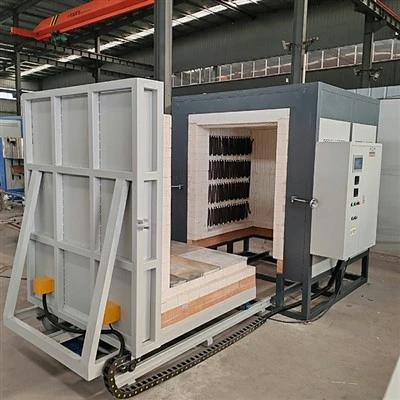
First, let’s clear up a common misconception: people often mix electric furnaces up with those big, noisy gas furnaces you see at industrial foundries. Sure, both melt metals, but electric ones work totally differently—and that’s a huge win for a lot of folks, whether you’re a small business owner casting aluminum parts for your landscaping equipment or a tinkerer making custom brass hardware in your garage. Let’s start with the basics of how electric furnaces melt metal, because that’s the core of this question.
Electric furnaces use resistive heating or induction, right? Wait, let me dumb that down. Resistive heating is like when your toaster gets hot—electricity passes through a special metal element, it resists that flow, and boom, heat. Induction is a little fancier, but still easy: you wrap a coil around a crucible (that’s the pot you put your metal in), zap electricity through the coil, and it creates a magnetic field that heats the metal itself, no extra elements needed. Either way, you’re generating heat directly inside the furnace cavity, not burning fuel like gas. So yeah, that heat is more than enough to melt pretty much any common metal people work with. Let’s throw some numbers out there to prove it: aluminum melts at around 1,220°F, copper at 1,984°F, brass is a mix so it’s around 1,700°F, and even steel? Mild steel melts at ~2,750°F, and our commercial-grade electric furnaces can hit up to 3,000°F—way more than enough.
Now, why is that a big deal? Let’s compare to gas. Gas furnaces need venting, they burn fossil fuels, they’re less precise with heat, and they can be a pain for small spaces. Our electric furnaces? No venting needed (most, anyway—just basic exhaust for fumes if you’re working with alloys), super precise temperature control down to the degree, and way easier to set up in a workshop, garage, or even a small industrial unit. We’ve had customers who used to use gas furnaces ditch ’em after switching because they saved money on energy (electricity rates are stable compared to gas, which spikes all the time) and didn’t have to deal with hauling heavy gas tanks around.
But wait—can you use any electric furnace for melting metals? Nah, that’s where a lot of hobbyists go wrong. They’ll pick up a $50 electric space heater and think, “Oh, that’s hot enough!” Spoiler: space heaters max out at like 1,000°F—way too low for most metals, and they’re not built to hold that heat long enough to melt a whole ingot. You need a furnace designed for metal melting, which has heavy-duty insulation (like refractory bricks that can withstand extreme temps) and a heating system that can maintain consistent heat, not just blast it for 10 seconds.
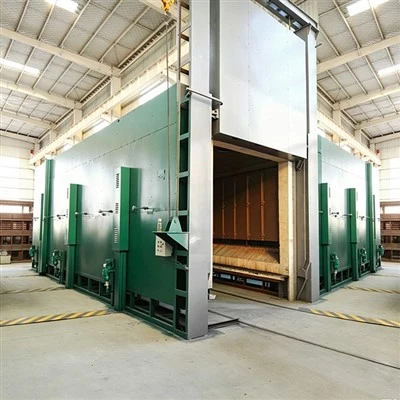
Let’s talk about the different types of electric furnaces we sell, because that’s where the “can it be used” part gets specific. First, there’s the benchtop induction furnace for small-scale work—perfect for tinkerers or small shops that melt a few pounds of aluminum or brass at a time. We have customers who use these to make custom fishing weights, jewelry parts, even small engine components. Then there are medium-sized resistive furnaces for things like die casting or melting larger batches of steel for fabrication shops. These can handle 50+ pounds of metal at a time, and they’re built to run 24/7 if you need them. Then there’s industrial-scale electric arc furnaces for big foundries, which we supply to major manufacturing facilities too—they’re the ones that recycle scrap steel into new beams, and they’re 100% electric, no fossil fuels.
One thing I get super excited about is how versatile these furnaces are. You can melt scrap metal, right? That’s a huge plus for small businesses trying to cut costs. Instead of buying virgin aluminum ingots, you can melt your own scrap from old car parts, window frames, even soda cans. We have a customer who runs a custom metal art business—he melts scrap copper wire from construction sites and turns it into wall sculptures. He says he saves like $8,000 a year just by doing that, all because his electric furnace lets him melt scrap easily.
But let’s address the “but is it practical?” question. I know some people worry about power. Like, “My garage only has a 110V outlet—can I run a metal melting furnace on that?” The short answer: for small batches, yes. Our entry-level benchtop induction furnaces run on standard 110V, so you don’t need to rewire your whole shop. For larger furnaces, you’ll need 220V or 480V, but that’s standard for most workshops anyway. And compared to a gas furnace, the energy use is actually competitive. Let’s do a quick example: melting 10 pounds of aluminum takes about 3 kWh of electricity, which is like $0.35 at average U.S. rates. A gas furnace would take a similar amount of energy, but you also have to factor in the cost of the gas itself, plus venting costs.
Now, let’s talk about some real-world wins from our customers. Last year, a guy named Mike who owns a small custom bike shop bought our medium-sized electric furnace. He used to outsource melting his aluminum parts, which cost him $2 per pound. Now he melts it in-house, and his cost per pound is like $0.40. That’s a huge difference for a small business on a tight budget. Another customer, a high school metal arts teacher, bought a benchtop furnace for his shop. Before that, they used a old gas furnace that was always breaking, and students had to wait weeks to get parts done. Now they can melt metal multiple times a week, and the kids love it—one even made a custom ring for his mom for Mother’s Day.
But wait, there are a few caveats, so I don’t want to oversell it. You can’t melt every metal with every electric furnace, obviously. If you’re trying to melt tungsten, which has a melting point of 6,192°F, you’d need a super specialized industrial furnace, not a hobbyist one. Also, you have to use the right crucible. If you use a regular ceramic pot, it’ll crack at high temps. We sell crucibles made of graphite or silicon carbide, which are built to handle the heat and the magnetic fields from induction furnaces. And safety, always—you need to wear heat-resistant gloves, a face shield, and work in a well-ventilated area. But that’s true for any metal melting, not just electric furnaces.
Another big plus for electric furnaces: they’re more environmentally friendly than gas. No fossil fuel combustion means less carbon emissions, no fumes from gas burning, and they’re easy to pair with solar power if you’re looking to go green. A lot of our customers in the renewable energy space love that—they use solar-generated electricity to run their furnaces, so their metal casting process is almost carbon-neutral. That’s a big selling point for businesses looking to reduce their environmental footprint, especially now with more customers asking about sustainable practices.
Now, let’s circle back to the original question: “Can an electric furnace be used for melting metals?” The answer is a resounding yes, but it depends on which electric furnace you’re talking about. A $50 space heater? No. A purpose-built electric furnace, whether it’s a small benchtop model for hobbyists or a large industrial one for foundries? Absolutely. And as someone who’s been in this business for over a decade, I can tell you that the demand for these furnaces has exploded in the last 5 years. More small businesses, more hobbyists, more schools—everyone’s realizing that electric furnaces are cheaper, safer, and more flexible than gas.
If you’re thinking about getting one, don’t make the mistake of buying the cheapest option you can find. We’ve had a lot of customers come to us after buying a furnace from a big-box store or online that broke after a few uses, because it wasn’t designed for metal melting. We build our furnaces with heavy-duty insulation, precision temperature control, and parts that last—we stand behind every unit we sell. Whether you’re a hobbyist melting a few pounds of metal a month or a business melting hundreds of pounds a week, we have a model that fits your needs.
Hey, if you’ve been doing metal melting for a while, or you’re just getting started, hit us up. We love talking shop, helping folks pick the right furnace, and answering any questions you have. Whether you need advice on crucibles, temperature settings, or even how to set up your workshop for metal melting, we’re here to help. Don’t waste time and money on a furnace that doesn’t work—reach out, and let’s figure out the right electric furnace for you.
For more tips on metal melting, furnace maintenance, and custom projects, stick around—we post new content every month, and we always love hearing from our customers. Drop a comment below if you’ve used an electric furnace before, or if you have any questions about melting metals.
Electric Furnace References:
- Davis, J.R. (2001). Alloying: Understanding the Basics. ASM International.
- European Commission. (2022). Industrial Electric Furnaces: Energy Efficiency and Environmental Benefits. European Commission Directorate-General for Energy.
- Gibbs, B. (2019). Small-Scale Metal Casting: A Practical Guide. The Crowood Press.
- U.S. Department of Energy. (2021). Energy Efficiency in Metal Foundries. U.S. DOE Office of Energy Efficiency and Renewable Energy.
Jiangsu Fangwei Furnace Industry Co., Ltd.
Jiangsu Fangwei Furnace Industry Co., Ltd. is one of the most professional electric furnace manufacturers and suppliers in China. With abundant experience, we are committed to providing high quality customized products with competitive price. Please feel free to buy advanced electric furnace made in China here from our factory.
Address: No.168, HuangNian Bridge, DaoShu Town, Danyang City, JiangSu Province, China
E-mail: fangwei@fwfurnaces.com
WebSite: https://www.fwfurnaces.com/
