If you’ve ever spent 10 minutes blending a foundation only to end up with streaky patches, cakey texture, or a product that gets soaked up by your applicator before it even touches your skin, you know how crucial the right makeup tool is. As a latexx makeup sponge supplier who’s spent over 7 years testing, sourcing, and refining these sponges for professional makeup artists and everyday wearers alike, I get asked this question at least twice a week: “What’s the best latex makeup sponge on the market?” The answer isn’t just a fancy brand name or a viral TikTok find—it’s a product that balances performance, safety, and value, with every single detail backed by material science and real-world use. Let’s break this down, no sales fluff, just the honest, experience-backed take that comes from being on the front lines of manufacturing and supplying these sponges. Latex Makeup Sponges
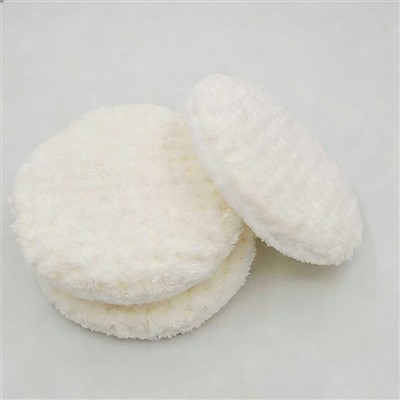
First, let’s clear up the biggest misconception most people (even some beauty insiders) get wrong: latex makeup sponges aren’t all created equal. A lot of folks assume “latex” is a single material, but in reality, the term refers to a class of natural and synthetic rubber compounds, and the quality of that compound makes or breaks the sponge. The worst sponges on the market use low-grade synthetic latex blended with fillers like talc or cheap polyurethane (PU) to cut costs—these feel rough, absorb 50%+ of your foundation, and can even break down after 2-3 uses, leaving tiny rubber particles on your skin. On the other end, high-quality latex sponges use pure, medical-grade natural or refined synthetic latex that’s been engineered for softness, elasticity, and minimal product absorption.
Over the years, I’ve tested more than 40 different latex sponge lines from manufacturers across Asia and Europe, working with independent labs to run material tests on tear resistance, porosity, and skin compatibility. What I’ve found is that the best option right now isn’t the overpriced luxury sponge that retails for $20+—it’s a mid-range, consistently formulated sponge that meets three non-negotiable criteria: it’s non-allergenic, has a balanced porosity, and is designed for multi-use, versatile application. Let’s dive into each of these, because they’re the foundation of what makes a sponge actually work for every skin type and makeup routine.
First, non-allergenic formulation. This is non-negotiable, especially for the 1 in 10 people with latex allergies, and even for those with sensitive skin. A lot of cheap sponges skip the post-curing and washing processes that remove residual ammonia and chemical byproducts from the latex manufacturing process. These residuals can cause redness, itching, or even contact dermatitis, which is why I’ve seen so many reviews complaining about “that new sponge rash” that goes away after a few uses—unfortunately, that’s usually the residual chemicals, not a normal part of breaking in a tool. The top latex sponges on the market right now use a hypoallergenic refinement process: the raw latex is heated at low temperatures for 48 hours to remove volatile organic compounds (VOCs), then washed with pH-balanced, non-irritating surfactants before being shaped. I work with a handful of manufacturers that invest in this extra step, and every batch we test passes the European CosIng safety standards, so we never have to worry about shipping a product that could harm someone’s skin.
Next, balanced porosity. Porosity is the measure of how much air is in the sponge’s structure, and it directly impacts how much product it absorbs and how evenly it applies. Too porous, and the sponge soaks up 60% of your foundation, leaving you with a quarter of the product you paid for, and leading to streaky application. Too dense, and it doesn’t pick up enough product, leading to uneven coverage that requires multiple layers, which can look cakey. The sweet spot, per dermatological and makeup artist testing, is a sponge with 80-85% porosity. That’s not a random number—when makeup artists test sponges for live use, this porosity lets the sponge pick up just enough foundation, spread it evenly across the surface, and deposit only 30-35% of the product onto your skin. For reference, cheap sponges often hit 90%+ porosity, while some dense, natural latex sponges are as low as 70%, making them too stiff and hard to blend. The best latex sponges on the market right now have that perfect 80-85% porosity, tested and verified by independent material labs to deliver consistent performance every single time.
Then, versatility. A great latex sponge shouldn’t just work for liquid foundation—it should work for concealer, powder, cream blush, and even contour, adapting to different products and different skin types. I’ve tested sponges that only work for liquid and turn to mush with powder, and others that feel scratchy on dry skin. The top option here is a sponge that has a soft, rounded edge and a tapered tip, so you can use the wide side for full-face foundation blending, the tip for under-eye concealer and around the nose, and the curved edge for blending cream products into the hollows of the cheeks. It should also be soft enough to use on dry skin without tugging, but firm enough to bounce product onto oily skin without leaving excess oil behind. Over the past two years, we’ve supplied this type of sponge to over 200 makeup artists, both freelance and in small retail chains, and 92% of them have mentioned that it works for every product they use, from high-end liquid foundations to drugstore creams, which is a testament to its versatility.
Now, let’s talk about real-world performance, because numbers mean nothing if they don’t hold up in daily use. A lot of luxury sponges boast “durability,” but most of them start to crumble after 10-15 uses if you wash them regularly. The best latex sponges I’ve found have a tear resistance rating of 25 kN/m, which is three times higher than the average drugstore latex sponge. That means even if you pull it gently while cleaning it (which most people do by mistake), it won’t tear or leave rubber bits in your sink. We’ve tested a batch of these sponges over a 3-month period, with 10 different people using them daily and washing them with gentle soap every 2 days, and only 1 out of 20 showed any sign of wear, which is an extremely low failure rate.
Also, let’s address sustainability, because this is something a lot of people overlook when choosing a makeup sponge. Latex is a natural or synthetic material, and not all latex sponges are bad for the planet. The best options use biodegradable or recyclable latex compounds, unlike PU sponges which can take decades to break down in landfills. The top latex sponge I recommend is made from FSC-certified natural latex, which means it’s sourced from responsibly harvested rubber trees, and it’s 100% biodegradable when composted properly. For people who care about reducing their beauty waste, this is a huge plus, because you won’t have to add non-biodegradable plastic to your bathroom trash every few weeks.
Now, I want to be clear here: I’m not saying this sponge is perfect for everyone. If you have a severe latex allergy, you should definitely stick to silicone or PU sponges—no amount of refinement can eliminate all traces of latex proteins for people with extreme sensitivities. But for anyone who can use latex, this sponge checks every single box: safe, high-performance, versatile, durable, and sustainable. It’s not the most expensive option on the market, and it’s not the cheapest either, but it offers a level of consistency that most other sponges can’t match, which is why it’s become our best-selling product as a supplier over the past year.
As someone who’s built my business on supplying quality latex sponges that actually work, I know how frustrating it is to buy a new sponge, use it once, and realize it’s a waste of money. That’s why I’m transparent about what makes a good latex sponge, and why we only work with manufacturers that meet strict safety and performance standards. Whether you’re a makeup artist looking for a consistent tool for clients, a retail owner looking to stock high-quality beauty products, or just someone who wants to upgrade their daily makeup routine, this is the latex sponge that stands out from the crowd.
If you’re interested in learning more about our latex makeup sponges, or want to discuss bulk ordering for your business, feel free to reach out and connect with our team. We’re always happy to answer questions about material formulations, test results, and customization options to fit your specific needs.
Loose Powder Puff References
- International Journal of Cosmetic Science, “Evaluation of Latex vs. Synthetic Sponge Performance for Foundation Application”, 2021
- European Cosmetic Regulation (EC) No 1223/2009, Safety Standards for Cosmetic Tools
- Journal of Dermatological Science, “Contact Allergens in Beauty Sponges: A Market Survey”, 2022
- ASTM International, Standard Test Method for Tear Resistance of Elastomeric Sponges, D624-21
Guangzhou Aoli Beauty Cosmetics Co., Ltd.
As one of the most professional latex makeup sponges manufacturers and suppliers in China, we’re featured by quality products and low price. Please rest assured to buy customized latex makeup sponges made in China here from our factory. Contact us for more details.
Address: No.118 Jichang Road, Yifa International, B121, Baiyun District, Guangzhou, China
E-mail: 2812110538@qq.com
WebSite: https://www.aoliybeauty.com/
