As a seasoned supplier of smooth condenser tubes, I’ve witnessed firsthand the growing demand in industries that rely heavily on efficient heat transfer equipment. One of the most fundamental questions potential customers often ask me is about the corrosion resistance of smooth condenser tubes. In this blog, I’ll share in – depth knowledge about what corrosion resistance means for these tubes, factors influencing it, and how we ensure top – notch performance. Smooth Condenser Tube

Understanding Corrosion Resistance in Smooth Condenser Tubes
Corrosion resistance refers to the ability of smooth condenser tubes to withstand chemical or electrochemical reactions that cause deterioration of the tube material over time. In the context of condenser tubes, corrosion can lead to a variety of problems, such as reduced heat transfer efficiency, tube leakage, and ultimately, system failure.
When a condenser tube is exposed to different environments, there are two main types of corrosion that can occur: uniform corrosion and localized corrosion. Uniform corrosion is the most common type where the entire surface of the tube deteriorates at a relatively consistent rate. This is often due to a general chemical attack from the working fluid, like seawater or a corrosive industrial coolant.
On the other hand, localized corrosion is more insidious. It can manifest as pitting, crevice corrosion, or stress – corrosion cracking. Pitting corrosion creates small holes in the tube surface, which can quickly penetrate the tube wall and cause leaks. Crevice corrosion occurs in areas where there are gaps or crevices, such as at the tube – support plate interfaces. Stress – corrosion cracking is a combination of tensile stress and a corrosive environment, which can lead to sudden and catastrophic failure of the tube.
Factors Influencing Corrosion Resistance
Material Selection
The choice of material is the most critical factor in determining the corrosion resistance of smooth condenser tubes. Different metals and alloys have different inherent corrosion – resistant properties.
- Copper – based alloys: Copper – nickel alloys are widely used in condenser tubes, especially in marine applications. For example, CuNi 90/10 and CuNi 70/30 offer excellent resistance to seawater corrosion. The presence of nickel in the alloy forms a protective oxide film on the tube surface, which acts as a barrier against further corrosion. These alloys also have good thermal conductivity, making them suitable for heat transfer applications.
- Stainless steel: Austenitic stainless steels, such as 304 and 316, are another popular choice. They are resistant to a wide range of corrosive media, including many acidic and alkaline solutions. The chromium in the stainless steel forms a passive oxide layer on the surface, which provides corrosion protection. However, in chloride – rich environments, they may be susceptible to localized corrosion, such as pitting and crevice corrosion.
- Titanium: Titanium is known for its exceptional corrosion resistance, especially in highly corrosive environments, including seawater and strong acids. It forms a stable and highly protective oxide layer immediately when exposed to oxygen, which makes it very resistant to corrosion. Although titanium is more expensive than copper – based alloys and stainless steel, its long – term durability and low maintenance requirements make it a cost – effective choice in certain applications.
Environmental Conditions
The working environment of the condenser tubes plays a significant role in their corrosion resistance.
- Temperature: Higher temperatures generally accelerate corrosion reactions. As the temperature increases, the rate of chemical reactions and the diffusion of corrosive species also increase. For example, in a power plant condenser where the steam and cooling water temperatures are relatively high, the tubes need to have good high – temperature corrosion resistance.
- pH value: The pH value of the working fluid affects the corrosion mechanism. Acidic environments can cause faster corrosion of many metals, while alkaline environments may have different corrosion characteristics. For example, copper – based alloys are more prone to corrosion in acidic conditions, while stainless steel may be more resistant to alkaline solutions.
- Contaminants: The presence of contaminants in the working fluid, such as chloride ions, sulfide ions, and dissolved oxygen, can significantly affect the corrosion rate. Chloride ions are particularly aggressive and can cause localized corrosion in many metals, including stainless steel. Dissolved oxygen can act as an oxidizing agent, accelerating the corrosion process in some cases.
Flow Conditions
The flow velocity and pattern of the coolant in the condenser tubes also impact corrosion resistance.
- Flow velocity: Adequate flow velocity is necessary to prevent the deposition of debris and the formation of stagnant zones, which can lead to crevice corrosion. However, if the flow velocity is too high, it can cause erosion – corrosion, where the mechanical action of the flowing fluid wears away the protective oxide layer on the tube surface, exposing the metal to further corrosion.
- Flow pattern: Turbulent flow can help to maintain a uniform distribution of the coolant and prevent the formation of corrosion – promoting stagnant areas. In contrast, laminar flow may result in uneven distribution of the coolant and the accumulation of corrosive species in certain regions of the tube.
How We Ensure Corrosion Resistance in Our Smooth Condenser Tubes
As a supplier, we take several steps to ensure the corrosion resistance of our smooth condenser tubes.
Quality Material Sourcing
We procure high – quality raw materials from reputable suppliers. We conduct strict incoming material inspections to ensure that the chemical composition and physical properties of the materials meet the required standards. For example, when sourcing copper – nickel alloys, we verify the nickel content and the presence of other trace elements to ensure their corrosion – resistant properties.
Precision Manufacturing Processes
Our manufacturing processes are designed to minimize the risk of corrosion. We use advanced tube – making techniques, such as precise control of the tube wall thickness and surface finish. A smooth and uniform surface finish reduces the probability of crevice corrosion and provides better adhesion of the protective oxide layer. We also implement strict quality control measures during the manufacturing process, including non – destructive testing (such as ultrasonic testing and eddy – current testing) to detect any defects that could potentially lead to corrosion.
Customized Solutions
We understand that different customers have different requirements based on their specific operating environments. We work closely with our customers to analyze their working conditions, such as the type of coolant, temperature, and pH value. Based on this analysis, we recommend the most suitable material for their condenser tubes. For example, for a coastal power plant using seawater as the coolant, we may recommend titanium tubes for their excellent seawater corrosion resistance.
Importance of Corrosion Resistance for Our Customers
The corrosion resistance of smooth condenser tubes is crucial for our customers’ operations. In industries such as power generation, chemical processing, and refrigeration, efficient heat transfer is essential for the overall performance of the system. Corroded tubes can reduce the heat transfer efficiency, leading to increased energy consumption and lower productivity.
In addition, tube leakage due to corrosion can cause significant damage to the equipment and the surrounding environment. For example, in a chemical plant, a leaking condenser tube can result in the release of hazardous chemicals, which can pose a serious threat to the safety of the workers and the environment.
By providing high – quality, corrosion – resistant condenser tubes, we help our customers to reduce maintenance costs, extend the service life of their equipment, and ensure the reliable operation of their systems.
Encouraging Contact for Purchase Discussions
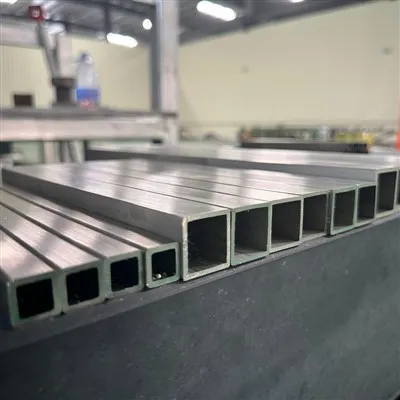
If you’re in an industry that requires high – performance smooth condenser tubes, we’re here to help. Our team of experts has in – depth knowledge of corrosion resistance and can provide you with the best solutions for your specific needs. Whether you’re looking to replace existing tubes or install a new condenser system, we can offer competitive prices and excellent after – sales service.
Corrugated Stainless Steel Tube Contact us today to start a discussion about your requirements. Let’s work together to ensure the success of your projects with our top – quality smooth condenser tubes.
References
- Jones, D. A. (1996). Principles and prevention of corrosion (2nd ed.). Prentice Hall.
- Uhlig, H. H., & Revie, R. W. (1985). Corrosion and corrosion control: an introduction to corrosion science and engineering. Wiley.
- Fontana, M. G. (1986). Corrosion engineering (3rd ed.). McGraw – Hill.
China Super Tech Co., Ltd.
As one of the most professional smooth condenser tube manufacturers and suppliers in China, we’re featured by quality products and good service. Please rest assured to wholesale OEM smooth condenser tube from our factory. Also, custom service is available.
Address: Wangjing Science and Technology Park, Guangshun North Street, Chaoyang District, Beijing
E-mail: sales@316liquidcooling.com
WebSite: https://www.316liquidcooling.com/
