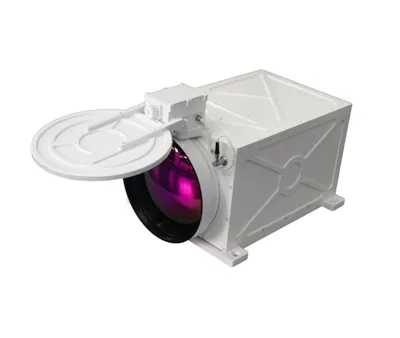
As a supplier of LWIR (Long-Wave Infrared) camera lenses, I often encounter questions from customers about the color rendering of these lenses. In this blog post, I will delve into the concept of color rendering in LWIR camera lenses, explain its significance, and discuss the factors that influence it. LWIR Camera Lens
Understanding Color Rendering in LWIR Camera Lenses
In the visible light spectrum, color rendering refers to the ability of a light source to accurately reproduce the colors of objects as they would appear under natural sunlight. However, in the LWIR range, which typically spans from 8 to 14 micrometers, the concept of color is different. LWIR cameras detect infrared radiation emitted by objects based on their temperature, and the images are usually presented in grayscale or false color.
False color is a technique used to assign different colors to different temperature ranges in an LWIR image. This helps users to more easily distinguish between objects with different temperatures and to identify specific features or anomalies. For example, cooler objects might be displayed in blue, while warmer objects could appear in red. But this is not the same as the color rendering in the visible spectrum.
Significance of Color Rendering in LWIR Applications
The quality of color rendering in LWIR camera lenses is crucial for a variety of applications. In industrial inspection, for instance, accurate temperature representation through false color can help detect overheating components in machinery. If the color rendering is inaccurate, it may lead to misinterpretation of temperature data, potentially resulting in equipment failure or safety hazards.
In the field of security and surveillance, LWIR cameras are used to detect intruders in low – light or no – light conditions. A well – rendered false color image can enhance the visibility of human targets and other objects, making it easier for security personnel to identify and respond to potential threats.
In scientific research, such as environmental monitoring or thermal imaging of biological specimens, precise color rendering allows researchers to analyze temperature patterns and variations accurately. This can provide valuable insights into natural phenomena, such as heat transfer in ecosystems or metabolic processes in living organisms.
Factors Influencing Color Rendering in LWIR Camera Lenses
1. Lens Material
The material used in the LWIR camera lens plays a significant role in color rendering. Different materials have different refractive indices and absorption characteristics in the LWIR range. For example, germanium is a commonly used material for LWIR lenses due to its high transmittance in the 8 – 14 micrometer range. However, the quality of germanium and any impurities present can affect how the lens transmits and focuses infrared radiation, which in turn impacts the color rendering of the final image.
2. Optical Design
The optical design of the lens, including the number of elements, their curvature, and the arrangement, can influence color rendering. A well – designed lens can minimize aberrations such as chromatic aberration, which can cause blurring and inaccurate color representation. Advanced optical designs, such as aspherical lenses, can improve the overall performance of the LWIR camera lens and enhance color rendering.
3. Detector Sensitivity
The sensitivity of the infrared detector in the LWIR camera is another important factor. Detectors with higher sensitivity can detect a wider range of infrared radiation, allowing for more accurate temperature measurement and better color rendering. Additionally, the detector’s response time can affect the quality of the image, especially in dynamic scenes where rapid temperature changes occur.
4. Calibration
Proper calibration of the LWIR camera and its lens is essential for accurate color rendering. Calibration ensures that the temperature readings and the associated false colors are correctly mapped. This process involves comparing the camera’s output with a known temperature reference and adjusting the settings accordingly. Without proper calibration, the color rendering may be inaccurate, leading to incorrect temperature interpretations.
Improving Color Rendering in LWIR Camera Lenses
As a supplier, we take several steps to improve the color rendering of our LWIR camera lenses. Firstly, we carefully select high – quality lens materials and conduct thorough quality control checks to ensure their purity and optical properties. This helps to minimize any absorption or scattering of infrared radiation that could affect color rendering.
Secondly, our engineering team uses advanced optical design software to optimize the lens design. By reducing aberrations and improving the focusing ability of the lens, we can enhance the overall image quality and color rendering.
We also invest in state – of – the – art detectors with high sensitivity and fast response times. These detectors are capable of accurately capturing the infrared radiation emitted by objects, allowing for more precise temperature measurement and better false color representation.
Finally, we provide comprehensive calibration services to our customers. Our calibration procedures are based on industry standards and are designed to ensure that the LWIR camera lenses deliver accurate and consistent color rendering.
Real – World Examples of LWIR Color Rendering
Let’s consider a case in the electrical power industry. Electrical transformers generate heat during operation, and monitoring their temperature is crucial for preventing failures. An LWIR camera with good color rendering can clearly show the temperature distribution across the transformer. Using false color, cooler areas might be shown in blue, while hotspots could be in red. This allows maintenance personnel to quickly identify areas that require attention, such as overloaded windings or faulty connections.
In the medical field, LWIR cameras can be used for thermography. For example, in breast thermography, abnormal heat patterns in the breast tissue can be an early indicator of potential health issues. A well – rendered LWIR image with accurate color representation can help doctors to detect these patterns more easily and make more informed diagnoses.
Conclusion
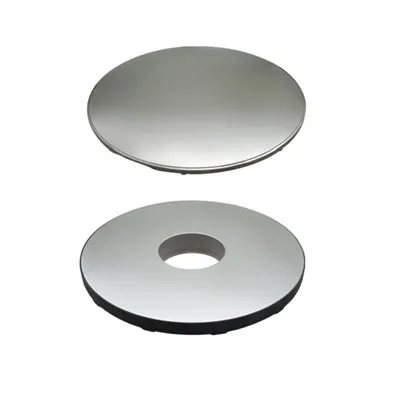
Color rendering in LWIR camera lenses is a complex but important aspect of their performance. It is influenced by factors such as lens material, optical design, detector sensitivity, and calibration. As a supplier of LWIR camera lenses, we are committed to providing high – quality products with excellent color rendering capabilities. Our lenses are designed to meet the diverse needs of various industries, from industrial inspection to security and scientific research.
Thermal Imager If you are in the market for LWIR camera lenses and are looking for reliable products with superior color rendering, we invite you to contact us for a detailed discussion. Our team of experts will be happy to assist you in selecting the right lens for your specific application and to provide you with all the necessary technical support.
References
- "Infrared Technology and Applications" by Smith, J. D.
- "Optical Design for Infrared Systems" by Johnson, A. R.
- "Thermal Imaging in Industrial Applications" by Brown, C. M.
Xi’an Zhongke Lead Ir-Tech Co., Ltd.
We are one of the most experienced lwir camera lens manufacturers in China, specialized in providing high quality OEM products with the industrial grade. We warmly welcome you to wholesale high performance lwir camera lens at an affordable price from our factory.
Address: Building 8,Hard Technology Enterprise Community No.3000,Biyuan 2nd Rd,High-Tech Zone Xi’an,Shaanxi,China
E-mail: sales@lead-ir.com
WebSite: https://www.leadinfrared.com/
