Can Container Desiccant Be Used in Containers with a High – Air – Flow Environment?
As a supplier of container desiccants, I often get questions from customers about the suitability of our products in different environmental conditions. One of the most common inquiries is whether container desiccants can be used effectively in containers with a high – air – flow environment. In this blog post, I’ll delve into this topic, exploring the science behind container desiccants, the impact of high air flow, and the practical considerations for using desiccants in such settings. Container Desiccant
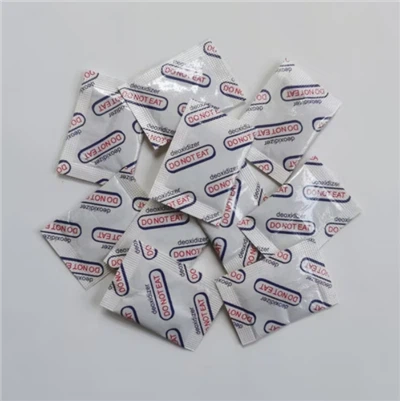
Understanding Container Desiccants
Container desiccants are substances designed to absorb moisture from the air within a confined space, such as a shipping container. They play a crucial role in preventing the formation of condensation, which can lead to a range of problems including mold growth, rusting of metal components, and damage to sensitive goods.
The most commonly used types of container desiccants are silica gel, calcium chloride, and clay. Silica gel is a porous, granular form of silicon dioxide that can absorb up to 40% of its weight in water. Calcium chloride is a highly hygroscopic salt that can absorb moisture from the air at a much faster rate than silica gel, often absorbing several times its own weight in water. Clay desiccants are made from natural clay minerals and have a lower absorption capacity compared to silica gel and calcium chloride but are more cost – effective.
The Role of Air Flow in Desiccant Performance
Air flow is an important factor in the performance of container desiccants. In a static air environment, the desiccant works by creating a concentration gradient of moisture. Moist air near the desiccant has its water vapor absorbed, creating a region of lower humidity around the desiccant. This causes moisture from the surrounding air to diffuse towards the desiccant, allowing it to continue to absorb water over time.
In a high – air – flow environment, the situation is different. The constant movement of air can bring fresh, moist air into contact with the desiccant at a much faster rate. On one hand, this can potentially enhance the desiccant’s ability to absorb moisture, as there is a continuous supply of new water vapor – laden air. However, there are also some challenges associated with high air flow.
Positive Effects of High Air Flow
- Increased Absorption Rate: As mentioned earlier, high air flow can increase the rate at which the desiccant comes into contact with moist air. This means that the desiccant can absorb moisture more quickly, potentially reducing the overall humidity inside the container at a faster pace. For example, in a container with a high – air – flow ventilation system, a calcium chloride desiccant may be able to reach its maximum absorption capacity more rapidly compared to a static air environment.
- Uniform Humidity Distribution: Air flow helps to distribute the moisture evenly throughout the container. This ensures that the desiccant is exposed to a more consistent humidity level, which can improve its overall performance. Without proper air flow, there may be pockets of high humidity in the container that the desiccant may not be able to effectively reach.
Negative Effects of High Air Flow
- Desiccant Erosion: High – velocity air can cause physical damage to the desiccant. For instance, if the air flow is strong enough, it can blow away small particles of silica gel or clay desiccant, reducing the amount of desiccant available for moisture absorption. This can also lead to the desiccant being scattered inside the container, potentially causing contamination of the goods.
- Reduced Contact Time: Although high air flow brings more moist air to the desiccant, it also means that the air passes over the desiccant very quickly. This can reduce the amount of time that the water vapor has to be absorbed by the desiccant. In some cases, the air may carry the moisture away before the desiccant has a chance to fully absorb it.
Practical Considerations for Using Container Desiccants in High – Air – Flow Environments
Selecting the Right Desiccant
- Absorption Capacity and Rate: When choosing a desiccant for a high – air – flow environment, it’s important to consider both the absorption capacity and the absorption rate. Calcium chloride desiccants are often a good choice because of their high absorption rate, which can keep up with the rapid supply of moist air. However, if the air flow is extremely high and there is a risk of desiccant erosion, silica gel may be a more suitable option as it is more resistant to physical damage.
- Packaging: The packaging of the desiccant also matters. For high – air – flow environments, desiccants should be packed in a way that prevents them from being blown away. For example, using a strong, breathable fabric or mesh packaging can help to keep the desiccant in place while still allowing air to pass through.
Placement of Desiccants
- Strategic Location: Proper placement of desiccants is crucial in a high – air – flow environment. Placing the desiccants in areas where the air flow is most concentrated, such as near ventilation openings or fans, can ensure that they are exposed to the maximum amount of moist air. However, they should also be placed in a way that avoids direct contact with the goods to prevent contamination.
- Multiple Placements: Using multiple desiccant bags or canisters distributed throughout the container can help to ensure uniform moisture absorption. This can counteract the uneven distribution of air flow that may occur within the container.
Case Studies
Let’s look at a couple of real – world examples to illustrate the use of container desiccants in high – air – flow environments.
Case 1: A Shipping Container for Electronics
A customer was shipping a container of sensitive electronic equipment. The container was equipped with a ventilation system to prevent overheating, creating a high – air – flow environment. We recommended using calcium chloride desiccant packs placed near the ventilation openings. The high absorption rate of calcium chloride was able to keep up with the rapid influx of moist air, and despite the high air flow, the electronics arrived in perfect condition with no signs of moisture damage.
Case 2: A Refrigerated Container
In a refrigerated container used for transporting food products, there was a constant air flow to maintain the temperature. The customer initially used silica gel desiccants but noticed that due to the high air flow, some of the desiccant particles were being blown around the container. We suggested switching to a desiccant with a more robust packaging and also re – arranging the placement of the desiccant to optimize moisture absorption. After these changes, the humidity level inside the container was effectively controlled, and the food products remained fresh throughout the journey.
Conclusion

In conclusion, container desiccants can be used effectively in containers with a high – air – flow environment, but it requires careful consideration of the type of desiccant, its packaging, and its placement. While high air flow can enhance the desiccant’s performance by increasing the rate of moisture absorption and promoting uniform humidity distribution, it also presents challenges such as desiccant erosion and reduced contact time.
VCI Package If you are facing the issue of moisture control in a high – air – flow container or need advice on selecting the right desiccant for your specific situation, I encourage you to get in touch. Our team of experts is ready to provide you with customized solutions based on your requirements. We offer a wide range of high – quality container desiccants that are designed to meet the most demanding conditions. Whether you are shipping electronics, food products, or any other type of goods, we can help you protect your cargo from the damaging effects of moisture.
References
- "Handbook of Desiccant Materials and Applications" by various authors.
- Research papers on moisture control in shipping containers from industry – related scientific journals.
Foshan Weller Moisture Proof Technology Co., Ltd.
Foshan Weller Moisture Proof Technology Co., Ltd. is one of the most professional container desiccant manufacturers and suppliers in China, specialized in providing high quality customized products. We warmly welcome you to wholesale bulk discount container desiccant from our factory. For free sample, contact us now.
Address: No. 05 Yanjiang West Road, Shibu Industry District Longjiang Town, Shunde, Foshan, Guangdong
E-mail: kitty@fsweller.com
WebSite: https://www.desiccant-packs.com/
