If you’ve ever worked with silicon steel, whether as a fabricator, manufacturer, or someone who sources core materials for transformers, motors, or generators, you know that this specialized electrical steel isn’t just another commodity. Its silicon content—usually between 1% and 5%—gives it exceptional magnetic permeability, low core loss, and resistance to electrical conductivity, making it irreplaceable for high-efficiency electrical components. But that same silicon content also makes it incredibly sensitive to surface contamination. Even a tiny smudge of oil, a particle of metal dust, or residual manufacturing residue can throw off its magnetic properties, leading to lower performance, higher energy waste, or even component failure. Silicon Steel Coils and Sheets
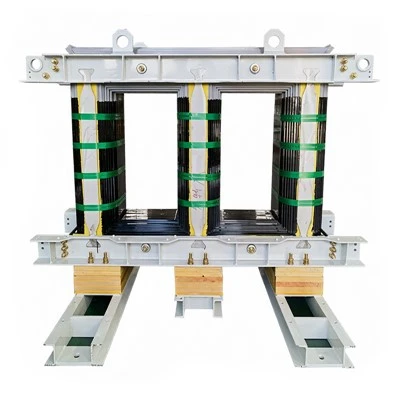
As a supplier of silicon steel coils and sheets, I get asked about cleaning these materials all the time. New customers often assume it’s a simple wipe-down or a generic wash, but that couldn’t be further from the truth. Silicon steel is fragile in its own way—scratch its surface too hard, or use a harsh chemical, and you can damage the thin, electrically insulating oxide layer that’s baked into it during production, compromising its magnetic integrity. Over the years, I’ve worked directly with our in-house quality team and the fabricators who use our coils to refine a set of cleaning protocols that work, without ruining the material that we and our customers care so much about. Let me walk you through what we’ve learned, because getting this right isn’t just about cleanliness—it’s about preserving the reason our customers choose silicon steel in the first place.
First, it’s critical to understand when cleaning is necessary. Silicon steel is rarely cleaned straight out of the coil. Most of our coils are coated with a temporary rust inhibitor or light oil during shipping to prevent corrosion while in transit or storage. That’s normal, and in most cases, this inhibitor doesn’t need to be removed before processing—unless it’s thick enough to interfere with coating bonding, punching, or laminating. Some customers do ask for fully degreased sheets for specific applications, like precision stamping for small motors, so that’s when cleaning becomes a formal step. Other times, old silicon steel sheets that have been sitting in a warehouse for years might have light surface oxidation, or they might have picked up dust or metal shavings from being stored near other fabrication materials. That’s when targeted cleaning is essential, but only if it won’t harm the material.
The biggest mistake I see people make is using generic cleaning methods designed for regular steel. For example, a lot of fabricators will blast steel parts with sand or steel grit to remove grime, but that’s a no-go for silicon steel. The grit will scratch the surface, break that insulating oxide layer, and even embed small particles of foreign material that will degrade performance. Pressure washing with high-pressure water? Again, too harsh—water can seep into tight gaps in coil layers, leading to slow, hidden corrosion that eats away at the silicon content over time. And industrial solvents like acetone or brake cleaner? They might remove oil, but they can also dissolve that thin oxide layer or leave behind their own residues, which is just as bad.
So what does work? We break cleaning into two main categories: cleaning for temporary surface contaminants (like shipping oil or light dust) and cleaning for long-term storage or reuse of older sheets. Let’s start with the most common scenario: preparing new silicon steel coils or sheets for processing, when you just need to remove the temporary inhibitor.
The first step here is always a dry clean. For surface dust and loose debris, a soft, lint-free microfiber cloth is ideal—no paper towels, because they can leave tiny fibers that are hard to remove. For light, surface-level shipping oil, we use a low-lint, non-abrasive wipe dampened with neutral-pH cleaner. The key here is neutral pH—any cleaner that’s too acidic or too alkaline will etch the silicon steel surface over time. We use a cleaner designed specifically for electrical materials, not general-purpose all-purpose spray. Wipe in the direction of the coil’s grain, not against it, to avoid dragging residue into the grain lines. Once you’ve wiped the surface, follow up with a dry microfiber cloth to buff away any remaining moisture. This step is gentle enough that it doesn’t disturb the insulating coating, and it works for most routine processing needs.
If you need a deeper clean—say, if the sheets have picked up heavy oil, metal shavings, or light oxidation—we move to a water-based cleaning system, but with very specific parameters. This is where a lot of people go wrong with silicon steel: too much water, the wrong temperature, or the wrong detergent. We use an industrial ultrasonic cleaner, set to low frequency, for sheet batches that need deep cleaning. Ultrasonic cleaning works by sending high-frequency sound waves through a liquid, creating tiny bubbles that gently lift contaminants from the surface without scratching it. That’s perfect for silicon steel because it’s non-abrasive.
The liquid we use is deionized (DI) water, not tap water. Tap water has minerals like calcium and magnesium that can leave hard water deposits on the surface, which are conductive and will ruin the magnetic properties of the steel. We mix the DI water with a small amount of non-ionic surfactant—again, gentle, neutral-pH, and formulated for use with silicon steel. The temperature is kept at 120 to 140 degrees Fahrenheit, not hotter. Water that’s too hot can speed up corrosion, even on new material, and it can also cause the surfactant to break down, leaving more residue than it removes.
The cleaning cycle in the ultrasonic cleaner is kept short—10 to 15 minutes max, depending on how dirty the sheets are. Any longer than that, and you risk the surfactant leaving a thin film on the surface, or even the DI water starting to evaporate and leave minerals. After the cycle, we rinse the sheets in fresh DI water for 2 to 3 minutes to remove all surfactant residue, then immediately dry them with hot, dry filtered air. Air drying alone isn’t enough—even a small amount of moisture left on the surface will cause rust spots within hours. For coil stock, we use a nitrogen purge after drying to lock out moisture, especially if the coils are going to be stored for more than a week before processing.
For older silicon steel sheets that have minor surface oxidation, we adjust the cleaning process again. Light rust spots on silicon steel are actually very thin, and aggressive scrubbing will remove them, but they’ll also take a layer of the steel’s surface with them, which alters the silicon content and hurts performance. Instead, we use a chemical passivation step, combined with gentle mechanical cleaning. The passivation solution is a weak citric acid solution—citric acid is mild enough to dissolve light rust without etching the steel, and it also helps reform a thin, protective oxide layer on the surface after cleaning. We soak the sheets in the citric acid solution for 5 minutes, then rinse thoroughly with DI water, then buff with a soft cloth. This removes the rust without damaging the insulating layer, which is a huge win for material that’s being reused or repurposed.
One thing that’s non-negotiable at our company is testing every cleaning method before it’s rolled out for customer use. We have a small lab where we test small sections of silicon steel coils after different cleaning processes to check for surface damage, insulating layer integrity, and magnetic permeability. A few years ago, a customer asked us to try a laser cleaning method for their high-precision transformer cores. We tested a sample and found that even a low-power laser was abrading the surface layer, lowering permeability by 12%—that’s a dealbreaker for transformers, which rely on that magnetic property to work efficiently. So we passed on that method, even though it was marketed as a “gentle” cleaning solution. The right method for silicon steel isn’t the latest, flashiest one—it’s the one that preserves the material’s core properties.
Now, let’s talk about what to avoid at all costs, because I’ve seen too many fabricators make these mistakes and end up with wasted material or failed components. First, never use metal brushes or steel wool to scrub silicon steel. Even the smallest steel particles left behind will cause galvanic corrosion over time, and the scratches will create hotspots in electrical components, leading to energy loss. Second, avoid any solvent that contains aromatic hydrocarbons, like benzene or toluene. These can break down the insulating oxide layer on silicon steel, leading to increased core loss down the line. Third, don’t dry silicon steel with compressed air that has moisture or oil in it. Most shop air systems have a small amount of oil and water vapor, and blowing that onto a freshly cleaned surface will undo all your work, leaving contaminants right where you don’t want them. Finally, never clean silicon steel immediately before stamping or laminating without a final check. Even a tiny smudge of oil left on a sheet can cause a stamp to slip, or prevent laminating adhesive from bonding correctly, leading to misaligned cores that fail under load.
As a supplier, we don’t just sell silicon steel coils and sheets—we sell support, including guidance on how to care for the material once it leaves our warehouse. We have a free guide that we send to all new customers, with step-by-step cleaning protocols tailored to different grades of silicon steel, and troubleshooting tips if a batch comes in with contamination. We also offer pre-cleaning services for customers who don’t have the equipment or expertise to deep clean their sheets, because we know that getting this step right is critical to their end product’s performance.
If you’re working with silicon steel for transformers, motors, or any other electrical component, don’t cut corners on cleaning. A surface that looks spotless might still have hidden contaminants that will cost you in wasted material, delayed production, or failed field components. For over a decade, we’ve supplied silicon steel to fabricators and manufacturers across the globe, and the ones that come back for repeat business are the ones that take the time to clean their material properly, using methods that respect its unique properties.
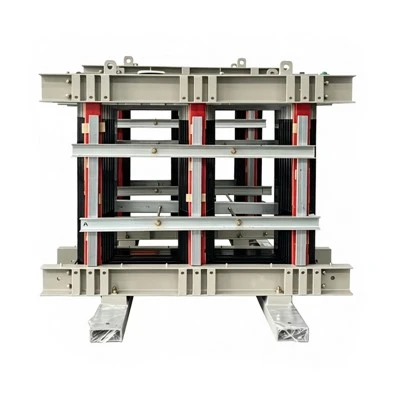
If you’re sourcing silicon steel coils or sheets, or if you need guidance on cleaning and processing for your next project, don’t hesitate to reach out. We’re here to help you find the right material and the right processes for your specific application, no matter how small or large your order is.
Silicon Steel Coils and Sheets References:
- Silvey, G. F. (2018). Electrical Steels for Rotating Machines. IEEE Press.
- Lide, D. R. (Ed.). (2004). CRC Handbook of Chemistry and Physics (85th ed.). CRC Press.
- Davis, J. R. (Ed.). (2000). Metals Handbook: Volume 15: Casting. ASM International.
- German Institute for Standardization. (2019). DIN EN 10327: Continuously Hot-Dip Coated Low Carbon Steel Flat Products for Cold Forming – Technical Delivery Conditions. Beuth Verlag.
Wuxi Zhongpu Electric Co., Ltd.
As one of the most professional silicon steel coils and sheets manufacturers and suppliers in China, we also support customized service. Please feel free to wholesale bulk high quality silicon steel coils and sheets made in China here from our factory. Welcome to contact us for pricelist.
Address: No.52 Jiankang Road, Donggang Town, Xishan District, Wuxi City, Jiangsu Province
E-mail: 13585006135@163.com
WebSite: https://www.zhongpuelectric.com/
