If you’ve ever worked on an underground project—whether it’s a residential septic line, a municipal water main extension, or a commercial storm drain system—you’ve probably stared at a pile of pipe fittings and asked the same question: Can these actually hold up under the ground? As someone who’s been a pipe fittings supplier for 18 years, I get it. Underground applications feel high-stakes; a leak or a broken line can lead to thousands in repairs, angry clients, and a whole lot of wasted time. I’ve seen too many projects go south because someone grabbed the wrong fitting, not because the product was bad, but because they didn’t account for what happens when pipe and fittings sit below grade, surrounded by soil, moisture, and shifting ground. Let’s break this down, no jargon, no sales fluff, just what I’ve learned on the job. Pipe Fittings
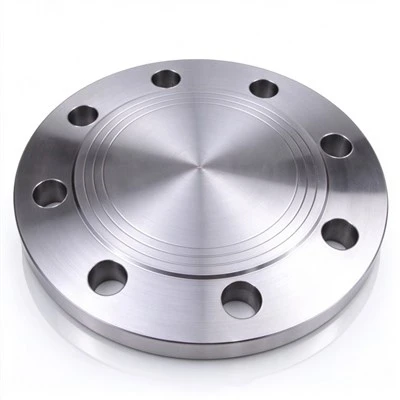
First, let’s start with the basics: Underground pipe fittings have to do two things that above-ground fittings don’t. They have to resist external pressure, first and foremost. Soil doesn’t just sit still; clay can expand when wet, gravel can shift, and the weight of road traffic (if you’re running under a street) crushes down. Above-ground fittings never deal with that kind of side load. They also have to resist corrosion from the ground around them. Regular steel fittings? They’ll rust through in a few years if you bury them in acidic soil. PVC? It might hold up for a while, but not if there’s chemicals in the soil or it’s exposed to UV rays before installation (wait, no—UV is above ground, but if you leave PVC fittings out before burying, they get brittle). The key here is matching the fitting material to the specific underground conditions, because “underground” isn’t one size fits all.
I’ve seen this play out first-hand. A few years back, a local contractor came to me panicking. He’d installed standard black steel fittings for a water line under a new housing development. Six months later, we had a rainstorm, and the soil around the line shifted. The steel fittings had corroded where the soil was slightly acidic, and the shift pulled one fitting apart. He had to dig up a 50-foot section, redo everything, and eat the cost—all because he’d picked a fitting meant for warehouses, not for ground that moves. That’s the mistake people make: they grab the first fitting that fits their pipe size, not the one rated for underground use.
Let’s talk about the most common pipe fitting materials used underground, and which ones work where. Let’s start with ductile iron. For me, this is the workhorse of underground water and sewer lines. Ductile iron is stronger than cast iron, so it can handle that external soil pressure I mentioned. It’s also rated for underground use, specifically the fittings that come with a cement-lined interior and an epoxy-coated exterior. That epoxy layer keeps the moisture and soil from eating through the iron. I supply these fittings to most municipal projects around here, and I’ve never had a complaint about them failing prematurely. The caveat? They’re heavier than plastic fittings, so you need heavy equipment to install them, and they’re more expensive upfront. But when you factor in the repair costs, they’re usually the cheaper option long-term for lines that will see regular use.
Next up, PVC fittings. PVC is super popular for residential underground lines—septic, small water lines, even low-pressure storm drains. It’s lightweight, easy to cut with a hacksaw, and doesn’t corrode. But here’s the thing: not all PVC is the same. You can get Schedule 40 PVC, which is fine for above-ground or low-stress underground, but for deep burials (like 10 feet or more) or lines that will have traffic over them, you need Schedule 80 PVC or PVC rated for underground pressure applications. I’ve seen Schedule 40 PVC crack when soil shifts because it’s not as rigid. Another mistake: some people use regular garden-hose adapter fittings, which are not pressure-rated at all. Those will leak within a year underground. PVC’s big downside is that it’s brittle in very cold temperatures—if you’re installing in an area where winters drop below freezing without insulating the line, PVC can crack when the water inside expands.
Then there’s HDPE (high-density polyethylene) fittings. I’ve been selling more of these lately for commercial underground projects. HDPE is flexible, so it can bend a little when soil shifts instead of breaking. That’s a huge plus in areas with unstable soil or frequent frost heaves. It’s also corrosion-resistant, so it works in soil with chemicals like gasoline or road salts, which eat through steel or even some PVC. The downside? HDPE fittings require special tools to fuse them to the pipe—you can’t just glue them like PVC. If you don’t have a qualified crew to do the fusing, the joint will fail, and it’s hard to tell it’s bad until you dig it up. I always make sure to tell contractors who buy HDPE fittings from me to get their installers trained on fusion before they start.
Now, let’s talk about what actually makes a pipe fitting “underground rated.” It’s not just a label. There are industry standards here, and you need to look for them. For ductile iron fittings, look for the AWWA (American Water Works Association) C110 standard. That’s the national standard for ductile iron fittings for water and sewer systems. For PVC, it’s ASTM D2241, which covers pressure-rated PVC pipe and fittings. For HDPE, it’s ASTM D3350. These standards aren’t arbitrary—they’re tested to make sure the fittings can handle external pressure, soil corrosion, and temperature swings. I can’t tell you how many times someone has come to me with a “cheap” fitting from a big box store that doesn’t have that AWWA or ASTM stamp. Those are the ones that fail.
Another factor that people overlook: the joint. It doesn’t matter if your fitting is made of the right material if the joint between the pipe and the fitting fails underground. For underground fittings, the best joints are either mechanical joints (like gaskets and clamps) or fused joints. Threaded joints? Those are fine above ground for small applications, but underground, the threads can corrode and pull apart. I’ve had contractors try to use threaded fittings for a 4-inch sewer line, and two years later, the threads had rusted through so bad the line collapsed. Mechanical joints with EPDM gaskets, though—those are designed to seal even when the fitting shifts a little, which is exactly what happens underground. I always recommend mechanical joints for installations where the soil might move, because they’re more forgiving than glued or threaded joints.
Wait, what about corrosive soil? That’s a big one. Some areas have soil with high levels of sulfur, or chemicals from old industrial sites, or even road salt that’s tracked onto construction sites and mixes with the soil. Regular steel fittings will corrode quickly here, but ductile iron with that epoxy coating will hold up, and HDPE or PVC will be fine. I recently had a project in an area where the soil was tested at pH 4.5 (that’s acidic, like orange juice). The contractor tried to use uncoated steel fittings, and they were pitted after three months. Switched to epoxy-coated ductile iron, and it’s still going strong three years later. If you don’t know your soil’s pH or chemical content, you can get a test done for cheap from your local extension office. It’s worth the $50 to avoid a $10,000 repair bill.
Also, let’s talk about installation mistakes that make even good fittings fail. I see this all the time: a contractor digs a trench, throws the pipe and fittings in, and backfills with whatever dirt is lying around—rocks, chunks of concrete, sharp gravel. When you backfill with sharp materials, those can rub against the fitting and scratch the coating or the pipe wall, leading to corrosion or leaks. The correct way to do it is to put a 6-inch layer of fine sand or loose dirt at the bottom of the trench, place the pipe and fittings on top, then backfill with the same fine material up to a foot above the pipe. No rocks, no sharp stuff there. That protects the fittings from abrasion. Also, when you’re tightening joints, don’t over-tighten. I’ve seen contractors use a pipe wrench to clamp down a mechanical joint so hard they broke the gasket. That’s a waste of a good fitting, and it will leak. Follow the manufacturer’s torque specs—they’re there for a reason.
What about specific underground applications? Let’s narrow it down. For residential septic lines: usually, Schedule 40 PVC or HDPE, with solvent-weld joints, but make sure they’re rated for underground pressure. Avoid threaded steel here, because septic systems have bacteria and moisture that cause corrosion. For municipal water mains: AWWA C110 ductile iron fittings, usually with mechanical joints, because water mains handle high pressure and heavy external load. For storm drains: HDPE or PVC, depending on the size. Small residential storm drains can use Schedule 40 PVC, but big commercial ones with traffic over them need HDPE or Schedule 80 PVC. For gas lines (underground): you have to use specific fittings rated for gas, usually black steel or HDPE, and you have to follow local codes super strictly. I always tell anyone working on gas lines to check with their municipal building department first—codes for gas underground are way more specific than for water lines.
I get asked all the time: “Can I use above-ground fittings underground?” The short answer is no. Above-ground fittings are not designed to handle external soil pressure, corrosion, or temperature changes that happen when they’re buried. A standard copper fitting for a above-ground plumbing job? It will rust through in a few years in soil. A black steel fitting without an epoxy coating? Same thing. I’ve had a plumber try to use above-ground copper elbows for a residential water line, and five years later, the line sprung a leak. It was cheap at the time, but not worth it.
Another thing to consider: long-term life. Underground fittings are supposed to last 20, 30, even 50 years. Let’s do the math. A ductile iron fitting costs maybe $50, and lasts 50 years. A cheap steel fitting costs $20, but lasts 5 years, so you have to replace it 10 times. That’s $200 total, plus all the repair labor, digging, etc. Which is cheaper? The ductile iron, every time. I’ve seen too many clients try to cut corners on fittings, and end up paying more in the long run. As a supplier, I’m not here to push the most expensive product. I’m here to tell you which one will work for your specific project. If you’re doing a small residential septic line, PVC is perfect. If you’re doing a main road water line, ductile iron is the way to go. If you’re in an area with shifting soil, HDPE is your best bet.
Wait, what about freeze-thaw cycles? That’s a big one in places like the Midwest or Northeast. When water in a pipe freezes, it expands, putting pressure on the pipe and fittings. PVC is rigid, so it can crack under that pressure. HDPE is flexible, so it can stretch a little to absorb the expansion. That’s why I recommend HDPE for underground lines in areas with harsh winters. But if you’re using PVC, you have to bury it below the frost line, and make sure the pipe is supported so it doesn’t bend when the soil freezes. I’ve seen PVC lines crack because they were buried 2 feet deep, and the frost line was 4 feet. The ground shifted, and the pipe broke.
Let’s wrap this up with a clear summary, because I know all this can feel overwhelming. The answer to “Can I use pipe fittings in underground applications?” is a resounding yes—if you pick the right fitting for your specific conditions. Don’t just grab any fitting; check the material, the industry standards, the joint type, and the soil in your area. Avoid cutting corners on cheap, unrated fittings. Make sure your install crew knows how to handle underground fittings, especially when it comes to backfilling and joint installation.
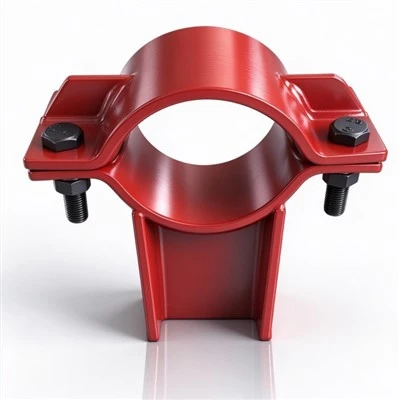
If you’re working on a project and not sure which fitting is right, I’m here to help. I’ve been in this business long enough to know every nuance of underground pipe fittings, and I don’t sell products that I wouldn’t use on my own projects. Whether you’re a small contractor working on a residential line, or a large municipal team on a big water main, we can talk through your needs, look at your soil conditions, and find the right fittings that will last for years. Don’t risk a project failing because you picked the wrong fitting—reach out, and let’s make sure you get it right the first time.
Pipe Fittings References
- American Water Works Association. (2021). AWWA C110: Ductile-Iron Fittings for Water. American Water Works Association.
- ASTM International. (2020). ASTM D2241: Standard Specification for Poly(Vinyl Chloride) (PVC) Pressure-Rated Pipe (SDR Series). ASTM International.
- ASTM International. (2019). ASTM D3350: Standard Specification for Polyethylene Plastics Pipe and Fittings Materials. ASTM International.
- U.S. Department of Agriculture. (2018). Soil Corrosion of Underground Pipe: A Guide for Installers. USDA Natural Resources Conservation Service.
- National Association of Plumbing-Heating-Cooling Contractors. (2022). Underground Pipe Installation Best Practices. NAHB Research Center.
Cangzhou Avant International Trade Co., Ltd.
Cangzhou Avant International Trade Co., Ltd. is one of the most experienced pipe fittings manufacturers and suppliers in China, featured by quality products and good price. Please rest assured to wholesale bulk pipe fittings in stock here and get free sample from our factory. Customized orders are welcome.
Address: Room 8123, 4th Floor, Building D, Pearl Trade City, High-tech Zone, Cangzhou City China
E-mail: yans92782@gmail.com
WebSite: https://www.avant-global.com/
