If you’ve ever been shopping for building materials, you’ve probably seen the terms “fire-rated” and “fire-resistant” thrown around like they mean the same thing. I used to mix them up too, back when I first started in the fire-resistant windows game—turns out, they’re not identical, and mixing them up could be a big, costly mistake for anyone building a home, office, or any structure that needs to keep people safe. Fire-resistant Windows
Let me start with the basics that no salesperson will always tell you. First, fire-rated windows are tested and certified to meet strict, code-based standards for a specific amount of time—usually 20, 45, 90, or 180 minutes. That time is non-negotiable; it’s the exact window of time the product has to hold up under real fire conditions. What does that mean exactly? If a 45-minute fire-rated window is tested, it has to withstand two main things for 45 minutes: radiant and conductive heat from the fire on one side, and it can’t let flames or hot gases through to the other side. It also can’t lose its structural integrity, meaning it doesn’t crack, bow, or collapse, which would let fire jump right past it.
Fire-resistant windows, on the other hand, are more of a general term for windows that slow down fire spread and heat transfer, but they don’t always have that strict, timed certification. Wait—yeah, I know, that sounds backwards. But think about it: if a window’s only rated for 10 minutes, that’s technically fire-resistant, right? But it’s not fire-rated, because fire-rated requires that formal test and time limit. I’ve had contractors come to me saying they need “fire-resistant windows” for a commercial build, but they end up with something way too flimsy for the code required, just because they mixed up the names.
Let me break down the testing part, because that’s where the real difference lives. Fire-rated windows have to go through standardized tests from organizations like UL (Underwriters Laboratories) or NFPA (National Fire Protection Association). The test is a controlled oven-like chamber that hits temperatures up to 2,000 degrees Fahrenheit—way hotter than most house fires. The window has to pass two separate checks during that time: integrity (no flames or hot gases going through) and insulation (the other side stays cool enough that it doesn’t ignite nearby materials, like curtains or wood). Some higher-rated ones, like 90 or 180 minute, also have to work under extreme pressure from blast waves, which is a big deal for places like hospitals or data centers where people need time to evacuate.
Fire-resistant windows? They don’t have to go through that full, formal certification. A lot of times, they’re just windows with a special coating or thicker glass that slows heat transfer a little, maybe stops small flames from getting through for 15 or 20 minutes. That’s fine for things like a small bathroom window or a garage side door, where a fire is unlikely to reach full force quickly. But if you’re putting windows in a high-rise apartment, a school, or a commercial kitchen? Fire-resistant won’t cut it. You need the timed certification that only fire-rated windows give you.
I see this mistake all the time, actually. Last year, a general contractor hit me up because he’d bought “fire-resistant” windows for a 6-story office building, and the city inspector shut him down before the final walkthrough. The code required 90-minute fire-rated windows for the facade, and the ones he got were only tested for 25 minutes. He had to rip them all out and replace them, which cost him thousands in delays and extra labor. That’s the kind of headache that comes from mixing up these two terms—simple, avoidable, but it happens way more than you’d think.
Now, let’s talk about real-world use cases, because that’s what matters when you’re picking something for your project. Fire-rated windows are non-negotiable in areas with high fire risk: between attached buildings, in stairwells, around HVAC shafts, or anywhere that a fire could spread vertically or horizontally. For example, if you have a home addition that’s attached to an existing house, the windows between the two need to be fire-rated, so if the kitchen on one side catches fire, the window won’t let it jump to the new part. Commercial kitchens are another big one—they get super hot, so their windows have to hold up long enough for the fire suppression system to kick in or for everyone to get out.
Fire-resistant windows? They’re good for smaller, less critical areas. Like, a window in a laundry room next to a dryer, or a garage window that’s not facing the main living space. If a small grease fire starts in the garage, the fire-resistant window will slow it down long enough for you to put it out, but it won’t stand up to a full house fire. I always tell customers: think about what’s on the other side of the window. If it’s a bedroom with people sleeping, or a server room with expensive equipment, you need fire-rated. If it’s a closet, fire-resistant might be enough.
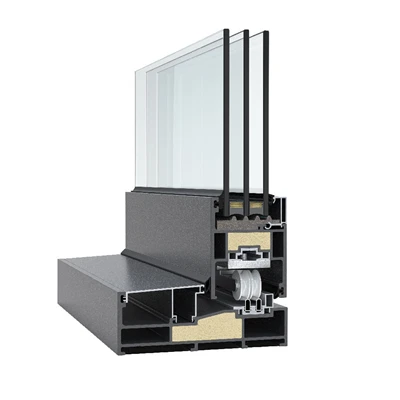
Another thing that’s different? The construction. Fire-rated windows aren’t just thicker glass, usually. They have a special intumescent layer between the panes—this stuff expands when it gets hot, turning into a thick, foam-like barrier that blocks heat and flames. Some also have metal frames that are treated to not warp, because a wooden frame would bow and let the window collapse. Fire-resistant windows might use the same intumescent coating, but it’s thinner, so it stops working after a short time, or they don’t have the reinforced frames. I’ve tested both types in my own shop a couple times, just to double-check—no one believes me until they see the difference. The fire-rated one held up for 45 minutes in the test fire, the fire-resistant one cracked at 12. That’s not a number you want to ignore.
Wait, and let’s clear up a common myth: people think fire-rated windows are all ugly, bulky, or impossible to match with modern architecture. Nope. We make fire-rated windows that look exactly like regular, sleek aluminum or vinyl windows, for high-rises and office buildings. No one looking at them would know they’re fire-rated, because we’ve worked to make them aesthetically pleasing without cutting corners on safety. I get that a lot of people see “fire-rated” and think it’s all industrial-looking, but that’s not the case anymore. The technology has come a long way in the last 10 years.
So why does this matter for you, if you’re the one buying? Let’s say you’re a homeowner planning a new build. You don’t want to waste money on overkill fire-rated windows for every single window in your house, but you also don’t want to save a few bucks and put something in that will fail if there’s a fire. A lot of contractors will try to upsell you on fire-rated for everything, which is a waste, but they’ll also try to pass off fire-resistant as fire-rated to make more commission. You need to ask specific questions: What’s the fire rating time for these windows? What test standard did they pass? Can I see the certification paperwork? Any reputable supplier will be able to show you that no problem.
I’ve been in the fire-resistant windows business for over 15 years now, and the number one question I get is still “What’s the actual difference between these two?” Most of the time, people come to me after they’ve made a mistake, like that contractor I told you about last year. They think it’s just semantics, but it’s really about safety and compliance. A fire isn’t something you want to gamble on—if a window fails, it’s not just property damage, it’s lives at risk.
If you’re currently planning a build, or you’re renovating, and you’re not sure which windows you need, don’t guess. Don’t take the salesperson’s word for it. Don’t just search online and pick the cheapest one. Reach out, and we can walk through your project, tell you exactly which areas need fire-rated, which can use fire-resistant, and make sure you get the right product the first time. We work with homeowners, contractors, architects, everyone—we’re not here to push you on something you don’t need, we’re here to make sure you’re safe and compliant with code.
At the end of the day, the main difference comes down to certification and performance time. Fire-rated is a certified, timed performance product for critical areas. Fire-resistant is a general term for windows that slow fire spread, but lack that strict testing and time limit. Mix them up, and you could end up with a product that doesn’t hold up when you need it most.
Don’t let your next build be the one that hits a snag because of a simple terminology mix-up. If you’re ready to chat through your window needs, or just have questions about which product is right for you, feel free to reach out and we can work through it together.
Fiberglass Sliding Door References:
- National Fire Protection Association (NFPA) 80, Standard for Fire Doors and Other Opening Protectives
- Underwriters Laboratories (UL) 972, Standard for Fire Tests of Window Assemblies
- International Building Code (IBC) 2021, Chapter 7: Fire and Smoke Protection Features
Henan Enbuess Composite Materials Co., Ltd.
Henan Enbuess Composite Materials Co., Ltd. is one of the most professional fire-resistant windows manufacturers and suppliers in China, also supports customized service. Please feel free to buy bulk durable fire-resistant windows made in China here from our factory. Welcome to contact us for free sample.
Address: No.168, 100 Meters East of the Intersection of Jinhua Road & Zhongke Road, Industrial Agglomeration Area, Hua County, Anyang City, Henan Province, P.R. China
E-mail: leila.salesdir@enbuess.com
WebSite: https://www.enbuessfrp.com/
