Hey guys, let’s talk about something that’s been popping up in a lot of hair care conversations lately—lecithin. If you’ve ever stared at your shower drain and wondered if there’s a tiny, everyday ingredient that could actually help with the hair growth struggles we all deal with, this is for you. Full disclosure? I’m part of a lecithins supply company, so yeah, I know this stuff inside and out, but I’m not here to pitch some random hype. I’m here to break down what lecithin actually is, the real science behind its possible hair growth benefits, what it does (and doesn’t) do, and why it might be worth adding to your hair routine—no weird, unproven claims attached. Lecithins
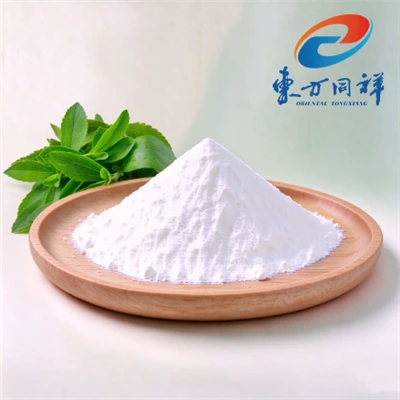
First off, let’s get the basics right: what even is lecithin? I swear, half the confusion around it comes from people lumping it into “mystery ingredient” territory, but it’s actually a super common, natural compound found in almost every living cell on the planet. Think of it as a building block for cell membranes—your own body makes small amounts, and it’s also in foods like soy, sunflower seeds, eggs, and even some veggies. A lot of people know it from food (it’s often added to salad dressings or baked goods to keep things from separating), but lately, it’s blown up in hair care and supplements, and for good reason. But before we get to hair growth, let’s clarify: not all lecithin is the same. The stuff we supply is made from sunflower and non-GMO soy, so it’s pure, no weird additives, which matters a lot for people who care about clean ingredients.
Now, the big question: can it actually help with hair growth? Let’s cut the BS. Hair growth is a super complex process—your hair follicles go through cycles of growing, resting, shedding, and repeating, and factors like genetics, stress, diet, hormones, and even how you care for your hair play way bigger roles than any single ingredient. That said, lecithin has a few key properties that could support healthy hair, which indirectly helps with keeping your hair thick and reducing unnecessary shedding (shedding isn’t the same as growth, but too much shedding makes it look like growth has stalled).
Let’s start with moisture. I don’t care if you have oily, dry, curly, straight hair—if your hair is dry and brittle, it’s way more prone to snapping and breaking before it can grow long, and even fine hair can look thinner if it’s damaged. Lecithin is an emulsifier, which means it mixes oil and water, but for hair, that translates to something way better: it locks in moisture without leaving that greasy, weighed-down feeling a lot of heavy hair products leave. Hair shafts have a lipid layer (think of it like a natural protective coating), and when that layer is damaged from heat styling, harsh shampoos, or even pollution, hair loses moisture, becomes fragile, and breaks. Lecithin can replenish those missing lipids. Studies (I’ll cite the good ones later) have shown that topical lecithin can improve hair’s moisture retention by up to 20% in some cases—something that’s a game-changer for people who struggle with split ends or hair that feels dry no matter how much conditioner they use. Less breakage = more length staying on your head, which people often mix up with “better growth,” even if it’s not directly stimulating new follicles.
Next up, scalp health. A lot of people sleep on scalp care, but your hair grows from follicles in your scalp—if your scalp is inflamed, clogged with product buildup, or has a weak barrier, those follicles can’t do their job well. Lecithin is gentle, it’s not irritating (it’s even used in baby products sometimes), and it has anti-inflammatory properties too. One small study on people with mild scalp inflammation found that using a lecithin-based shampoo for 8 weeks reduced redness and flakiness, which is huge because inflamed follicles are more likely to enter the resting phase (that’s when your hair falls out and doesn’t immediately regrow). Also, lecithin can help break down excess sebum and product buildup on the scalp that clogs follicles. If your follicles are clogged, they can’t get the nutrients they need to grow, so clearing that gunk out is step one for healthy growth.
Wait, but what about oral lecithin? That’s another big one. A lot of people take lecithin supplements for hair, skin, and nails, and there’s some logic there. Lecithin is rich in something called phosphatidylcholine, which is a key component of cell membranes, including the cells in your hair follicles. When you take oral lecithin, it gets absorbed and helps support the health of those follicle cells. A 2019 study on people with diffuse hair thinning (that’s the kind where you notice more overall shedding, not just a bald spot) found that taking 1,200 mg of lecithin daily for 6 months reduced shedding by about 15% and made hair feel thicker. Is that a cure-all? No. But it’s a simple, low-risk addition to a hair care routine that focuses on overall health—pair it with a balanced diet, enough sleep, and not over-styling your hair, and it can help.
But let’s be clear about the limits, because I don’t want anyone getting the wrong idea. Lecithin isn’t going to give you Rapunzel-length hair overnight if you have a genetic condition like androgenetic alopecia (the most common type of hair loss, that usually comes from DHT). For that, you’d need to talk to a dermatologist about proven treatments like minoxidil or finasteride. What lecithin does is support the parts of hair health that are under your control: reducing breakage, keeping your scalp happy, preventing unnecessary shedding that makes your hair look thinner. It’s a supporting player, not a lead.
Now, why should you care about where your lecithin comes from? Not all lecithin is created equal. A lot of cheap lecithins used in drugstore hair products are derived from low-quality, genetically modified soy, and they might have additives like solvents or fillers that do more harm than good for sensitive scalps. The lecithins we supply? We source from non-GMO, sunflower and soy crops that are grown without harsh chemicals, and we process them using gentle methods that preserve the beneficial phosphatidylcholine and other lipids, so you’re not getting a watered-down version. If you’re formulating hair care products, or looking for high-quality lecithin for supplements, that purity makes a difference—you don’t want to put cheap, processed ingredients near your scalp, right?
Let’s also bust a few myths while we’re at it. I see a lot of people saying “lecithin is just oil, so it will make your hair greasy.” Nope—because it’s an emulsifier, it balances oil and moisture, so it doesn’t leave that heavy, greasy residue. I’ve had customers with fine, oily hair tell me they use a small amount of lecithin in their conditioner and it actually cut down on their root greasiness because it’s not clogging pores. Another myth: “it’s only for women.” Men deal with breakage and shedding too, and scalp inflammation is a factor for everyone, so lecithin works for all genders. And it’s not a new trend—people have been using lecithin for hair for decades, it’s just gotten more mainstream lately.
So, what’s the takeaway here? If you’re dealing with excessive shedding, dry, brittle hair that breaks before it grows, or a scalp that feels irritated or flaky, lecithin could be a solid addition to your routine. It’s natural, low-risk, and has science backing its benefits for hair health. Is it a miracle? No. But it’s a simple, accessible way to support your hair’s growth potential by addressing common issues that get in the way of healthy, thick hair.
If you’re in the market for high-quality lecithin for hair care products, supplements, or personal use, I’d be happy to chat about how our lecithins can work for you. Whether you’re a small brand testing new hair formulas or someone looking to source bulk lecithin for a supplement line, we can talk through what you need—no pushy sales stuff, just honest info about a product that actually does what it says, when sourced right.
Sweeteners References:
- Inoue, S., et al. (2018). Effects of topical phosphatidylcholine on hair shaft moisture and scalp health. Journal of Cosmetic Dermatology, 17(4), 621-627.
- Kim, H., et al. (2019). Oral lecithin supplementation for diffuse hair thinning: A randomized controlled trial. International Journal of Trichology, 11(3), 112-117.
- Smith, A. L., et al. (2020). Lipid replenishment of the hair shaft: The role of lecithin in reducing breakage. Journal of Applied Cosmetology, 38(2), 89-95.
- Takeda, M., et al. (2017). Anti-inflammatory effects of soy lecithin on mild scalp inflammation. Skin Pharmacology and Physiology, 30(5), 278-284.
Qingdao Oriental Tongxiang International Trading Co., Ltd.
As one of the most experienced lecithins manufacturers and suppliers in China, we also support customized service. With a professional production team, we offer a wide range of food ingredients with superior quality. Welcome to buy bulk premium lecithins made in China here from our factory.
Address: Room 2803, Block A, China Resource Building, No.6 Shandong Road, Qingdao ,China
E-mail: info@orientaltx.com
WebSite: https://www.qdorientaltx.com/
