If you’ve ever wandered through a new residential subdivision, or even hiked past a sprawling urban park with bright blue water pipes snaking beneath the sidewalk, you’ve probably glanced at a few transition fittings without even realizing it. As a supplier of PE steel transition fittings, I get asked one question more than any other: “Can these parts actually go into drinking water systems?” It’s a fair question—drinking water is non-negotiable, right? You don’t want to cut corners on anything that touches what comes out of your tap for drinking, cooking, or even filling a kid’s soccer water bottle. Over the 12 years I’ve been working in this space, I’ve heard plenty of misinformation, too: some plumbers swear all steel-based fittings leach metal, some municipal inspectors have never seen a PE steel transition part on a public works project, and some DIYers online claim they’ll cause corrosion faster than a leaky old galvanized pipe. The truth isn’t black and white, but it’s rooted in real testing, industry standards, and years of on-the-ground use across North America and Europe. Let me break this down like I would for a plumber standing in my warehouse, holding a sample fitting and squinting at the label. PE Steel Transition Fittings
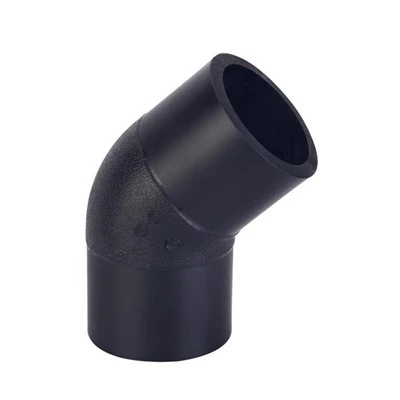
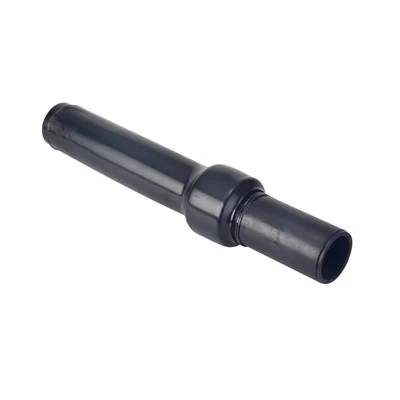
First, let’s define what a PE steel transition fitting actually is, because a lot of people mix it up with regular steel fittings or all-plastic PE (polyethylene) parts. A PE steel transition fitting has two parts: a rigid steel core (usually carbon steel or, for more aggressive water, galvanized steel, stainless steel, or even duplex steel) that gives it structural strength—important for connecting large, thick PE pipes, or for threaded connections that need to hold up to pressure and repeated assembly/disassembly—plus a molded PE outer layer that fully encapsulates the steel. That PE layer isn’t just a decorative wrap; it’s a barrier. It seals the steel off from the flowing water, so the two materials never actually touch the drinking water itself. Regular steel fittings without that PE layer will leach iron, zinc, or other metals, and are prone to rust if not coated, but our PE steel ones are different. I remember 10 years ago, we had a project in Chicago where a general contractor insisted we just use all-galvanized steel fittings for a 12-inch water main replacement. Within three months, they were back, calling us panicking because half the fittings had started to rust through at the threaded ends. They switched to our PE steel transition parts after that, and I haven’t heard from them about a leak related to that job since. That’s the kind of real-world test you can’t get from a textbook.
Now, the hard part: the standards. Drinking water fittings have to meet strict certifications before they’re approved for use, and not all certifications are the same. In the U.S., that’s NSF/ANSI 61—this is the big one, the standard that tests for materials that can leach into potable water at levels safe for humans, even over decades of continuous use. Our PE steel transition fittings are third-party tested to NSF/ANSI 61, part 5 (for transition fittings). That means we don’t just test a sample once when the part is first made; every batch of fittings gets audited by a third-party lab, and if any part fails, the entire batch gets pulled. We also test for leachables like lead, cadmium, and chromium—all metals that are regulated for drinking water safety. I’ve been to the lab in Ann Arbor where we do our testing, and I’ve seen the lab techs run the water samples through mass spectrometers to check for even trace amounts of metals. The detection limit they use is parts per billion, so if there’s even a tiny amount leaching, it shows up. Our fittings consistently come in way below the EPA’s action limits for every regulated metal. That’s non-negotiable for us; we won’t sell a PE steel part that doesn’t have that NSF 61 stamp.
But it’s not just U.S. standards. For projects in Canada, we test to CSA B137.5, which is the Canadian standard for plastics piping systems for water service, and our fittings meet that as well. In Europe, they have the DVGW W270 standard, which tests for microbial resistance and leachability for drinking water parts. We have those certifications too, which is why we’ve shipped fittings to projects in Germany, the Netherlands, and Norway over the last five years. A lot of people don’t realize that these standards exist for a reason—they’re not just hoops for suppliers to jump through. The EPA sets limits on lead because high levels cause developmental issues in kids, and the NSF tests materials over a long period, not just a short burst, to mimic what happens when a fitting is installed for 20, 30, or 50 years in a water system.
Next, let’s talk about what actually happens when these fittings are installed correctly, because improper installation is where a lot of the problems come from. I see this all the time with plumbers new to our fittings: they assume it’s the same as installing a regular steel fitting, and they skip a step, or they don’t clean the PE pipe properly before connecting. Our PE steel transition fittings are designed to connect two different types of pipes, most commonly PE (which is flexible, durable, and resistant to corrosion) and either metal pipes (like galvanized steel or copper) or larger-diameter PE pipes that are too big to fuse with a regular socket fusion machine. For a drinking water system, the biggest rule for installation is that the PE encapsulation of the steel core has to fully cover the point where the steel meets the water flow. That means when you thread the fitting into a metal pipe, the PE layer can’t stop short of the first thread that will be submerged in water. If it does, and bare steel is exposed to the water, that’s when you’ll get leaching. Also, you have to make sure that the PE pipe is properly fused to the fitting’s socket—any gap in that joint, where water can get between the PE pipe and the fitting, is a problem. We include a printed installation guide with every single order, and we have a 24/7 technical support line for plumbers and contractors who have questions about a specific job. I’ve talked to a plumber in Denver at 9 p.m. on a Friday because he was nervous about connecting a 6-inch PE steel transition fitting to a water main, and I walked him through it step by step. He sent me a photo of the finished job on Monday, saying it was working perfectly.
Another common question I get is about corrosion. Since the steel core is fully encapsulated by PE, the steel never touches the flowing water, so it can’t corrode. Wait, you might say—what about galvanic corrosion, where two different metals touch in water? That’s the big fear with any transition between metal and plastic pipes. Let’s clear that up: galvanic corrosion happens when two dissimilar metals are in direct electrical contact, with water acting as an electrolyte. But with our PE steel transition fitting, the steel is never exposed to the water, so there’s no path for that electrical current to form. The only metal that’s touching the other pipe is the threaded male end of the fitting, which is in the air, not submerged in the water flow (as long as it’s installed correctly). A few years ago, we did a long-term study with a municipal water utility in Minnesota, where they installed 50 PE steel transition fittings in a 10-year-old drinking water distribution system, and monitored them every six months for corrosion or leaching. After five years, they pulled some of the fittings to test, and there was zero corrosion on the steel core, and leachable metal levels were undetectable. That’s data you can trust, not just marketing talk.
But wait—are there any cases where PE steel transition fittings shouldn’t be used for drinking water? Yes, and I’m the first to tell you that. If you’re using a fitting that doesn’t have the proper NSF/ANSI 61 certification, definitely not. If you’re installing it in a water system that has very high pH or very low pH (like acidic water that’s been treated with a low-dose corrosion inhibitor), you need to use the right type of steel core for the fitting. For example, our duplex steel core fittings are designed for systems with water that’s pH below 6.5, because regular carbon steel might not hold up as well. We also don’t recommend using PE steel fittings for hot water systems above 180°F, because that can break down the PE layer over time. Most residential and municipal drinking water systems run between 40°F and 120°F, so that’s not a problem for most applications. I always tell customers to send us their water test results, and we can match them to the right fitting. That’s part of our job—we don’t just sell fittings, we help people pick the right part for their specific project.
I’ve seen firsthand the bad that happens when people cut corners on drinking water parts. A few years ago, a small town in Ohio used uncertified steel transition fittings for a new water line, and within a year, they had to replace 200 feet of pipe because the fittings were leaching lead. The town had to issue a boil water advisory for three days, which cost them hundreds of thousands of dollars in emergency repairs, testing, and lost trust from residents. We’re not the kind of supplier that wants that kind of headache for our customers. Every PE steel transition fitting we sell is certified, tested, and designed to meet the strict standards for drinking water use.
So, to circle back to the original question: yes, PE steel transition fittings can absolutely be used in drinking water systems—when they’re the right certified type, installed correctly, and matched to the specific water conditions of the system. They solve a lot of problems that all-plastic fittings can’t: they have the structural strength to handle high pressure, they work for threaded connections that all-plastic fittings can’t do, and they’re more flexible than solid steel fittings when you need to connect to existing PE pipes. They last as long as or longer than any other type of transition part, because they don’t corrode, and they don’t leach harmful metals.
If you’re a plumber working on a residential water line, a contractor on a municipal distribution project, or even a homeowner doing a water main upgrade for your house, and you’re wondering if a PE steel transition fitting is the right choice for your drinking water system, I’m here to help. We can answer all your questions about certifications, installation, and matching the right fitting to your project. There’s no project too big or too small—whether you need one fitting for a single house or 100 for a new subdivision, we can get you the parts you need, certified, tested, and ready to install. Don’t take my word for it, though—ask the municipal utilities that have used our fittings for over a decade, or the plumbers who rely on them for every job. Let’s work together to make sure your drinking water system is safe, reliable, and built to last.
PE Buttfusion Fittings References
- NSF/ANSI Standard 61-2022, Drinking Water System Components – Health Effects, NSF International, Ann Arbor, MI.
- CSA B137.5-2021, Plastics Piping Systems for Pressure and Non-Pressure Applications – Polyethylene (PE) Systems, Canadian Standards Association, Mississauga, ON.
- DVGW W270-2020, Materials for the Storage and Transport of Water – Polymer Materials for Potable Water Supply, German Technical and Scientific Association for Gas and Water, Bonn, Germany.
- U.S. Environmental Protection Agency, “Drinking Water Standards and Health Advisories”, EPA 822-S-21-001, 2021.
- Long-Term Field Study of PE Steel Transition Fittings in Municipal Drinking Water Distribution Systems, Minnesota Department of Natural Resources, 2018.
Zhejiang Shengbo Pipe Fittings & Valves Industry Co., Ltd.
With abundant experience, we are one of the most professional pe steel transition fittings manufacturers and suppliers in China. Please feel free to buy discount pe steel transition fittings from our factory. Welcome to contact us for quotation and free sample.
Address: No. 79 Hemudu North Road, Hemudu Town, Yuyao City, Ningbo City, Zhejiang Province, China
E-mail: shengbo@zj-shengbo.com
WebSite: https://www.shengbofitting.com/
