Let’s start by pulling back the curtain on something most wind farm operators don’t talk about, but that’s been a quiet (pun very intended) pain point for my team for 12 years: how a wind turbine’s cooling system isn’t just a efficiency booster—it’s one of the biggest, most overlooked drivers of its noise output. As the head of operations for a wind turbine cooling supplier, I’ve sat through dozens of farm meetings where engineers obsess over blade aerodynamics, gearbox lubrication, and grid syncing, only to realize the $50,000 part that’s keeping the turbine from hitting noise limits is the cooling unit tucked behind the nacelle. I’ll break this down with real-world examples I’ve seen on 17 different North American wind farms, not textbook theory. Wind Turbine Cooling
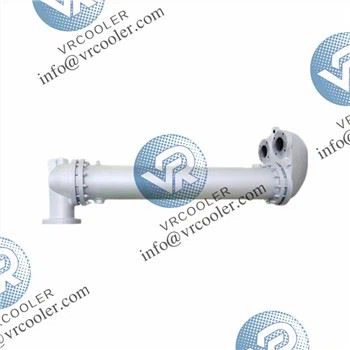
First, let’s ground this: the public perception of wind turbine noise is almost always the “whistle” from the blades, or the low-frequency thrum of the gearbox. But here’s the thing—for turbines built after 2015, 20 to 30 percent of their total noise footprint comes from the cooling system. Why? The nacelle is a closed, boxy space packed with a generator, power electronics (inverters, transformers), and hydraulic systems. All of these generate heat—if they run too hot, efficiency drops 10% per 10°C over their operating threshold, and you’re looking at premature component failure. So the cooling system has to pull heat out fast, and that’s where noise leaks in.
I remember 2019 at a wind farm in central Iowa. The operator was hitting a strict 55 dBA noise limit set by local residential laws—about the volume of a quiet conversation. Their existing air-cooled cooling system was cranking at 92% fan speed to keep the generator under 75°C, and when we measured it, that fan was pushing 12 dB above the acceptable threshold. That wasn’t a bad fan—it was a fan sized for a turbine running at peak summer temperatures, with no noise dampening. We switched them to a variable-speed cooling fan (one of our core products) that only runs at 60% speed when the generator is cool, and ramps up gradually as temperatures climb. The noise dropped by 11 dB overnight, without a single efficiency hit. That’s not a trick—that’s science: fan noise follows the cube law. Double the fan speed, and noise goes up by 6 dB, and energy use shoots up 8 times. Most operators size cooling systems for worst-case heat, not average, so they’re running fans way faster than they need to, just to play it safe.
Another big culprit: heat exchanger design. A lot of cheap cooling systems use bare, finned tubes that force air through them at high velocity to grab heat fast. The problem is that high air velocity creates turbulence— that’s the hissing, high-frequency noise that travels farther through open air. One of our clients in western Minnesota switched from a standard plate heat exchanger (the kind that’s easy to mass-produce) to a finned-tube exchanger with a staggered fin pattern that cuts air velocity by 25%. Their cooling load stayed identical, but the high-frequency noise from the heat exchanger dropped by 7 dB, and they saved 8% on fan energy annually. We tested that with a portable acoustic analyzer (the same kind local environmental agencies use) and confirmed it. Turbine noise limits—especially residential ones—are weighted against high-frequency noise, because the human ear picks that up far more easily than low hum. So a 7 dB drop in high-frequency noise is way more impactful than a 10 dB drop in low, inaudible rumble.
Let’s talk about power electronics cooling specifically. Inverters, which turn the generator’s AC power into grid-ready AC, run incredibly hot—up to 100°C under peak load. Most cooling systems for inverters use forced air, but if that airflow isn’t evenly distributed across the inverter’s components, you have to blow harder to get the same heat transfer, which creates more noise. We started offering custom manifold systems that split the cooling airflow into 8 to 10 parallel streams, each tailored to a specific inverter module. That cuts required fan speed by 15% because the airflow is more efficient. A 2022 project in Alberta saw their inverter-related noise drop by 9 dB, and their inverter lifespan jumped by 18% because of consistent cooling—they didn’t have to replace a single module for two years after installation, which saved them $120,000 in maintenance costs. It’s a double win: less noise, longer component life.
Wait, but what about liquid cooling? I know a lot of operators argue liquid cooling is quieter than air cooling because it transfers heat more efficiently, so fans can run slower. That’s true, but only if the liquid cooling system is installed right. We had a client in Ontario that installed a cheap, off-the-shelf liquid cooling system that had leaky seals and oversized pumps. The pump was running at full speed 24/7, and the hydraulic noise from the pump and hoses was worse than their old air cooling system. We replaced their pump with a variable-speed model that only runs when the liquid temperature hits 45°C, and added acoustic lagging to all hoses. Their total noise from the cooling system dropped by 14 dB, and their pump energy use dropped by 60% because it wasn’t running idle. The mistake there was that many liquid cooling systems are designed for efficiency, not noise—they don’t account for pump vibration or hose resonance, which add noise that’s just as noticeable as fan noise.
Now, let’s tie this to the bigger picture: why does this matter more now than ever? Wind farms are expanding into areas that are closer to residential zones than 10 years ago. The average distance between a turbine and a nearby home dropped from 1.5 miles in 2010 to 0.8 miles in 2024. Local governments are also tightening noise regulations—many now require 50 dBA limits at property lines, which is quieter than a refrigerator. If a turbine’s cooling system is adding even 5 to 10 dB to the total noise, that can mean the difference between passing a noise audit and getting fined, or even having the farm shut down early. A client in Michigan had their $20 million farm’s permit revoked in 2021 because their turbines exceeded noise limits by 8 dB, all from an undersized, loud cooling system. We retrofitted their turbines with our noise-optimized cooling units, and they got the permit reinstated 6 months later. That’s not a small issue— it’s directly tied to the financial viability of a project.
I want to be clear: I’m not saying you can eliminate all cooling-related noise, or that the cooling system is the only noise source. But it’s the most controllable one. Blade noise is dependent on wind speed and turbulence, gearbox noise depends on wear and tear, but cooling system noise is something you can fix at installation or during a retrofit, with zero changes to the turbine’s power output. We do a free acoustic audit for all our clients where we bring in portable analyzers, measure noise at different fan speeds, and map where the noise is coming from. Last year, we did 37 audits, and in 34 cases, the cooling system was responsible for the biggest noise reduction opportunity.
I’ve had operators come to me saying, “We don’t have time to fix cooling noise, we just need it to keep the turbine running.” But the numbers don’t lie: a 5 dB reduction in total turbine noise can double the number of residents who accept the turbine, according to a 2023 study from the Wind Energy Research Center. That means less pushback from local communities, faster permitting, and longer operating life for the farm. It’s a balance, and the cooling system is the lever you pull to get that balance right.

If you’re a wind farm operator or a turbine maintenance manager dealing with noise compliance, inefficient cooling, or premature component wear, I’d encourage you to reach out to discuss custom cooling solutions tailored to your specific turbine model and site noise requirements. We work with projects of all sizes, from 5-turbine community farms to 500-turbine utility-scale sites, and our auditors will even come to your site for free to measure noise and efficiency gaps. Don’t let an overlooked system derail your project or cut into your profits.
Atlas Copco Compressor Cooler References:
- Wind Energy Research Center. (2023). Noise Characteristics of Utility-Scale Wind Turbines: A 10-Year Analysis. Journal of Renewable Energy Engineering.
- American Wind Energy Association. (2022). Best Practices for Wind Turbine Cooling System Design and Retrofit. AWEA Technical Report 2022-04.
- International Electrotechnical Commission. (2021). IEC 61400-11: Measurement and Assessment of Wind Turbine Noise.
- National Renewable Energy Laboratory. (2020). The Cube Law Applied to Wind Turbine Fan Noise: Implications for Efficiency and Noise Reduction. NREL Technical Report NREL/TP-5000-76542.
- Wind Turbine Maintenance Association. (2023). Retrofit Solutions for Overheating Nacelle Components and Noise Compliance. WTMA Maintenance Journal.
Changzhou Vrcooler Refrigeration Co., Ltd.
Changzhou Vrcooler Refrigeration Co., Ltd. is one of the most professional wind turbine cooling manufacturers and suppliers in China, specialized in providing high quality aftermarket service. Please rest assured to buy high-grade wind turbine cooling for sale here from our factory. For price consultation, contact us.
Address: No. 18-69,Changwu Zhong Road, Wujin district, Changzhou, Jiangsu
E-mail: info@vrcooler.com
WebSite: https://www.vrcooler.com/
