If you’ve ever spent 10 minutes troubleshooting a leak under your sink or watched a plumber tinker with random metal bits during a bathroom renovation, you’ve probably wondered: what even are all these little parts, and why do they matter so much? As someone who’s been in the pipe fittings game for over a decade (and has fixed my fair share of DIY fails), I’m here to break down exactly what sanitary fittings do in plumbing—no boring textbook jargon, promise. Pipe Fittings

First off, let’s get this out of the way: “sanitary fittings” aren’t some fancy, overly technical term. They’re just the specific pipe parts built for water systems (think hot and cold running water, wastewater from your toilet, shower, or sink, even outdoor hose bibs) that can handle being in direct contact with human-use water, cleaning products, and the occasional random gunk that comes through pipes. Unlike industrial pipe fittings (which are built for chemicals or super high-pressure stuff), these have to be safe, corrosion-resistant, and designed to keep water flowing where it needs to go—no leaks, no cross-contamination, no mess.
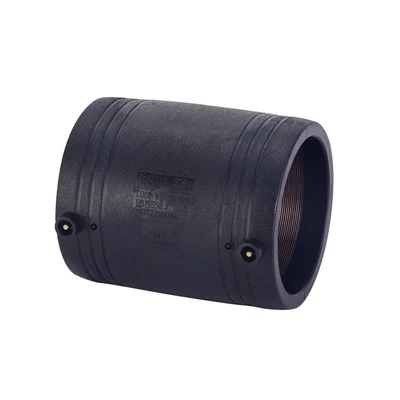
Let’s start with the most common (and most often misunderstood) type: the ones that connect pipes together. You’ve got your coupling fittings, right? These are just short, cylindrical pieces that join two straight pipes of the same size. Say you’re redoing a bathroom vanity and your old copper pipe is cut too short—you slip a compression coupling over each end, tighten the nuts, and boom, no more gap. Wait, but what if the pipes are different sizes? That’s a reducing coupling, duh. Same job, just adapts for when you need to link a ½-inch pipe to a ¾-inch one. People always sleep on these—skimping on a cheap coupling is how you end up with a tiny leak that drips for months before you notice it (I’ve been there, and the water bill that month was brutal).
Then there’s the elbow—everyone knows an elbow, right? The 90-degree one, obviously, but wait, there are 45-degree elbows too, and even 180-degree (the U-shaped ones) for when you need to turn a pipe all the way back on itself. Why so many angles? Because pipes can’t just run straight through walls and floors. If your shower valve is against one wall, and the drain is down another, you need a 90 elbow to make that turn. A 45 is for subtle adjustments, like when you’re hiding a pipe behind a baseboard and don’t want a sharp turn that catches on drywall. I once had a customer call me panicking because his plumber used a 90 elbow where a 45 should have been—said it made the pipe look like a lumpy snake sticking out of his kitchen wall. Fixed it in 10 minutes.
Now, the unsung heroes of any plumbing system: valve fittings. These are the parts that control water flow, and they’re the reason you don’t have to turn off your whole house just to fix a leak under the bathroom sink. Let’s break down the common ones. First, ball valves—these are the standard for main water shut-offs, right? They’re super durable, easy to turn with a quarter twist, and don’t leak as easily as older gate valves. Then there’s gate valves, which are the old-school ones that take a full turn to open or close—still used for some main lines, but most plumbers ditch them for ball valves now because they’re less finicky. Oh, and check valves—these are the ones that only let water flow one way. No one thinks about check valves until they get a sewer back-up (gross, I know) or your toilet starts gurgling every time the washing machine drains. That’s the check valve failing, basically letting wastewater flow backward. They’re a cheap fix, but a lifesaver.
Wait, let’s not forget about the fittings that help you branch off pipes—tees, crosses, and wyes. A tee is a T-shaped fitting that splits one pipe into two, right? Like when you need to run both the hot and cold lines to a toilet from the main supply. A cross is a 4-way tee, used for more complex setups, like a sink that’s on an island with water going both ways. Wye fittings are the ones shaped like a Y, specifically for drain and wastewater lines—they let you branch off at a gradual angle, which is better for getting rid of gunk and prevents clogs. I can’t tell you how many times a bad wye has been the cause of a customer’s slow-draining shower. They look simple, but the angle matters.
Now, the ones that keep water where it’s supposed to be and out where it shouldn’t: adaptors, reducers, and plugs/caps. Adaptors link different types of pipes, which is a huge one because not all pipes are the same. Copper, PEX, PVC, CPVC, galvanized steel—all these materials need to connect somehow. A brass adaptor, for example, will link a copper pipe to a CPVC pipe, so you don’t have to tear out the whole line just because you switched materials. Reducers we touched on earlier, but plugs and caps—those are the end caps you put on a pipe when you’re working mid-renovation, or when you cap off an old line that you’re not using anymore. No one uses a random piece of tape as a cap, trust me. I’ve seen that, and it never ends well.
And let’s not sleep on the smaller, more specialized stuff: nipples, bushings, and unions. Nipples are short, threaded pipe pieces used to fill tiny gaps between fittings—think like when you need an extra inch to connect a valve to an elbow. Bushings reduce the size of a fitting, so you can screw a smaller pipe into a larger fitting. Unions are a game-changer for when you need to take a pipe apart easily later, like if you have a water heater that needs replacing. Instead of cutting and re-gluing pipes, a union lets you unscrew the whole section in 2 minutes. Plumbers go crazy for unions because they save so much time and hassle.
Now, let’s talk about why this all matters, especially for anyone who’s thinking of upgrading their plumbing or working on a new build. Sanitary fittings aren’t just random metal or plastic pieces—they’re the backbone of a safe, leak-free water system. Cheap, low-quality fittings might save you $5 here or there, but they’ll corrode in a few years, leak, or even cause cross-contamination if they’re not rated for potable water (that’s the fancy term for water you drink, by the way). I’ve seen customers buy a set of cheap couplings from a big box store, install them, and have a leak that caused $2,000 in water damage to their hardwood floors. That’s why picking the right sanitary fittings isn’t a part of the plumbing process you can skip to save cash.
As someone who’s been supplying these parts for years, I’ve talked to tons of DIYers and plumbers alike, and the most common mistake I see is not matching the fitting to the job. For example, using a PVC fitting for a hot water line (PVC isn’t rated for high temps, CPVC is) or using an industrial fitting for a residential sink—overkill, and not built for the chemicals in regular household water. Sanitary fittings are made specifically for potable and wastewater systems, so they have to meet strict standards for durability, non-toxicity, and corrosion resistance. That’s why when we supply our fittings, we make sure every single one is labeled for sanitary use, so you don’t have to guess.
Here’s a quick pro tip, too: never mix materials without an adaptor. I once had a customer who tried to glue copper pipe to PVC directly, no adaptor, and it split within a week. Different materials expand and contract at different rates with temperature changes, so forcing them together leads to cracks and leaks every time. It’s a small step, but it’s one that prevents so many headaches.
Now, if you’re a DIYer taking on a bathroom reno, a plumber stocking up for a big commercial project, or a homeowner tired of fixing the same leak over and over, picking the right sanitary fittings is non-negotiable. We’ve been helping people get the right parts for their plumbing jobs for years—whether you need a ½-inch compression coupling for your sink, a 90-degree elbow for a new shower line, or a check valve to fix that gurgling toilet, we’ve got you covered. No weird minimum orders, no hidden fees, just good, quality sanitary fittings that get the job done right the first time.
If you’re tired of wasting time on flimsy parts that let you down, or you need help figuring out exactly which fitting you need for your project, reach out to our team to connect on sourcing the right sanitary fittings for your plumbing needs. We can answer questions, help you compare products, and make sure you get exactly what you need, no guesswork.
PE Ball Valve References
- International Plumbing Code (IPC) 2021, Chapter 6: Plumbing Appliances and Fixtures
- ASME A112.18.1/CSA B125.1-2020: Plumbing Supply Fittings
- PVC Pipe Association, “Sanitary Fitting Specifications for Potable Water Systems, 2019”
- Copper Development Association, “Guidelines for Pipe Fitting Compatibility for Residential Plumbing, 2022”
Zhejiang Shengbo Pipe Fittings & Valves Industry Co., Ltd.
With abundant experience, we are one of the most professional pipe fittings manufacturers and suppliers in China. Please feel free to buy discount pipe fittings from our factory. Welcome to contact us for quotation and free sample.
Address: No.79 Hemudu North Road, Hemudu Town, Yuyao City, Ningbo City, Zhejiang Province, China
E-mail: shengbo@zj-shengbo.com
WebSite: https://www.shengbofitting.com/
