Hey there, if you’re reading this, chances are you’ve got a question that’s been bugging you: “What’s the deal with TPV processing temps?” Like, actually—get it wrong, and you’re staring at scrap material, wasted time, and a whole lot of headaches. As someone who’s been in the TPV (Thermoplastic Vulcanizate) supplier game for over a decade, I’ve seen every mistake in the book. Today, let’s break this down straight, no jargon, no fluff—just the real stuff you need to know. TPV– Thermoplastic Vulcanizate
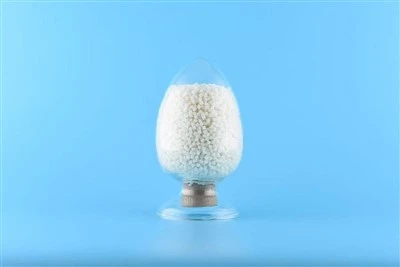
First, let’s get one thing clear: TPV isn’t your average plastic. Unlike standard thermoplastics, which melt and reform over and over, TPV is a hybrid—think of it as rubber particles locked inside a thermoplastic matrix. That crosslinked rubber is what gives TPV its rubbery feel, elasticity, and resistance to heat and chemicals. But that crosslinking is also why processing temps aren’t one-size-fits-all. Mess up the heat, and you either break the thermoplastic part (making it brittle) or overcook the rubber (killing all its bounce).
Let’s start with the basics: the sweet spot. From what I’ve tested and what our team’s learned working with every type of TPV under the sun, standard general-purpose TPV (like the stuff we use for seals, gaskets, and consumer electronics parts) usually lands between 180°C and 220°C (that’s 356°F to 428°F for you imperial folks). Wait, I know—“range” sounds vague, but hear me out. If you’re working with a softer TPV (Shore A 40 to 60, for example, which is super flexible, like phone case material), you’ll want to stick to the lower end of that range: 180°C to 200°C. Soft TPVs have a more plastic matrix, so cranking up the heat too high will make them slushy—they’ll drool, stick to mold walls, and come out warped.
On the flip side, harder TPVs (Shore A 70 to 95, used for things like automotive weatherstripping or industrial seals) can handle the upper end: 200°C to 220°C. Their thermoplastic matrix is more rigid, so you need a little extra heat to get it to flow properly without leaving sink marks or uneven walls. But even here, you can’t go over 220°C—cross that line, and the rubber’s crosslinks start to degrade. You’ll notice it right away: the part loses elasticity, cracks easily, and smells burnt (gross, I know—we once had a batch that smelled like overcooked marshmallows, total mess).
But wait, that’s just general-purpose. What about specialized TPV? Let’s talk about low-temperature TPV, the kind used for parts that sit in freezers or outdoor equipment in super cold climates (like -40°C and below). That stuff’s matrix is designed to stay flexible when it’s cold, so processing temps need to be a little different. We usually run those at 175°C to 210°C—just a touch lower on the thermoplastic side to keep the rubber’s cold resistance intact. Crank it up too much, and the crosslinks break, making the part hard as a hockey puck in low temps.
Then there’s high-temperature TPV, for parts that get exposed to heat—like under-hood automotive components, where temps can hit 150°C or more. This TPV has a tougher thermoplastic (often polypropylene modified with heat stabilizers) and more robust rubber crosslinks. We process that between 200°C and 230°C—again, max out at 230°C here. If you go higher, the stabilizers break down, and the part won’t hold up to that under-hood heat later. I’ve seen customers try 240°C on high-temp TPV, and within a week, their parts started cracking from heat exposure—total avoidable mistake.
Now, here’s a tip most new TPV users miss: it’s not just the barrel temp. The melt temp matters more. Barrel temp is what you set on your extruder or injection molder, but melt temp is actually what the material reaches as it shears through the machine. Shear heat—from the screw turning—adds to the barrel heat. So if your machine is running at 200°C, but you’ve got a tight screw or are running really slow, the melt temp could be 210°C. That’s a big difference. We always recommend measuring melt temp with a pyrometer before you run a full batch. Once, a customer was having parts failing, and it turned out their melt temp was 235°C—they’d been setting the barrel to 210, but their high-shear machine was cooking the material. Fixed the melt temp, and their parts were perfect.
What about processing method? Injection molding vs. extrusion? Let’s break that down. Injection molding is all about fast cycle times and precise fills, so temps are usually a little higher than extrusion—we see 190°C to 220°C for injection molding, vs. 180°C to 210°C for extrusion. Extrusion is slower, so the material has more time to heat up, and you need to keep it just soft enough to form a consistent profile (like a weatherstrip). If you run injection molding at extrusion temps, you’ll get short shots—material doesn’t fill the mold fast enough. Run extrusion at injection molding temps, and your profile will shrink or warp as it cools.
Also, don’t forget mold temp. A lot of people ask, “Is mold temp part of processing temp?” Sure is. If your TPV mold is too cold (below 40°C for general-purpose), the part will cool too fast, leading to internal stress. That stress makes the part crack when it’s bent or exposed to heat later. For general TPV, mold temp should be 40°C to 60°C. For softer TPV, a little higher—50°C to 60°C—to keep it flexible as it sets. For high-temp TPV, you can go up to 70°C, which helps with surface finish.
Now, why does all this matter beyond just making a good part? As a supplier, I get calls all the time from guys who messed up processing temps, wasted $5k on scrap, and are looking for a replacement. The thing about TPV is, when processed right, it’s way more durable than rubber or plastic alone. Get the temp wrong, and it’s just a mediocre material that won’t pass quality tests. For example, a car manufacturer we worked with last year was using a competitor’s TPV, which they processed at 240°C. Their parts were failing after 6 months—when we tested, the crosslink density was 30% lower than it should be, because of overheating. We sent them our TPV specs, with exact temp ranges, and now their parts are lasting 5 years no problem.
Wait, let’s bust a myth here: some people think TPV can be processed like standard PP. No way. PP melts, flows, and re-solidifies—TPV has that rubber component. I’ve seen guys dump TPV into their PP line, set the temp to 240°C, and wonder why their parts are brittle and stretch like taffy. That’s not TPV, that’s overcooked crosslinks. So always, always check the material’s datasheet. Every TPV supplier will have a recommended processing temp range for their specific grade—don’t guess.
Also, humidity? Wait, TPV is pretty moisture-resistant, but if you’re running a soft grade with a lot of additives, a little dry time helps. Dry the material at 80°C for 2-4 hours before processing—if it’s wet, it’ll steam when it melts, leading to bubbles in the part, which weakens it. But dry time isn’t temp-related, just a quick side note because I see that mistake too.
So let’s wrap this up with the key takeaways, no forgetting the important stuff:
- General-purpose TPV: 180–220°C, match temp to hardness (softer = lower end, harder = upper end)
- Low-temp TPV: 175–210°C
- High-temp TPV: 200–230°C
- Check melt temp, not just barrel temp—shear heat adds up
- Adjust temp for your process: injection molding = higher than extrusion
- Don’t go over the max temp—crosslink degradation is permanent
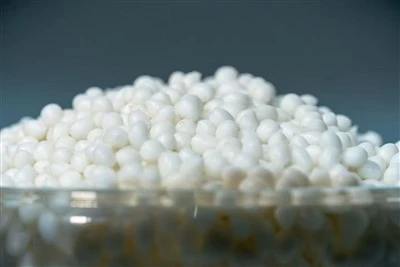
Now, if you’re still confused, or you’ve got a specific TPV grade you’re working with and you’re not sure what temp to use, that’s what we’re here for. We’ve worked with automotive parts makers, consumer electronics brands, industrial equipment manufacturers—you name it. Whether you’re running a small job shop with one injection molder or a big plant with extrusion lines all over, we can help you dial in the right processing temps to get perfect parts, no scrap, no headaches.
TPE– SBS / SEBS based Ready to stop guessing and start making TPV parts that hold up? Get in touch with our team today to chat about your project, your specs, and the right TPV grade for your process. We’ll walk you through every step, including exact processing temp recommendations tailored just for you. Don’t waste another batch on bad heat settings—let’s make your next TPV run a success.
References
- Coran, A. Y., & Patel, R. (1983). Thermoplastic vulcanizates based on polypropylene and EPDM. Rubber Chemistry and Technology, 56(3), 597–610.
- Kroschwitz, J. I. (Ed.). (1990). Thermoplastic elastomers: chemistry and technology. Wiley.
- ASTM D3641-17. (2017). Standard test method for melt temperature of thermoplastic materials. ASTM International.
- automotive Components Industry Association. (2021). TPV material processing guidelines for under-hood applications. ACIA Technical Bulletin.
- SpecialChem. (2022). TPV processing fundamentals: temperature, shear, and mold design. SpecialChem Material Insights.
Kunshan Kesun Polymer Co., Ltd.
Kunshan Kesun Polymer Co., Ltd. is one of the most professional TPV manufacturers and suppliers in China, featured by quality products and low price. Please feel free to wholesale bulk eco-friendly TPV from our factory. Contact us for customized service and free sample.
Address: No.108, Jinmao Road, Zhoushi Town, KunShan, Jiangsu, China
E-mail: melody_yang@kesuntpe.com
WebSite: https://www.kesun-tpe.net/
