If you’ve ever sat in a hot car for an hour on a sweltering summer day, you know how sticky and uncomfortable your back and thighs can get—especially if you’re stuck in traffic or on a long road trip. That’s why I started my business as a ventilated seat cushion supplier: for years, customers would come to me asking a very specific question that’s been floating around online for ages: “Can you use a ventilated seat cushion with a seat belt?” It’s not a trivial question, either—combining any accessory with a vehicle’s safety equipment means balancing comfort with functionality, and getting it wrong could have real consequences. Let’s break this down with science, practical experience, and real-world testing from my own products to clear up the confusion. Ventilated Seat Cushion
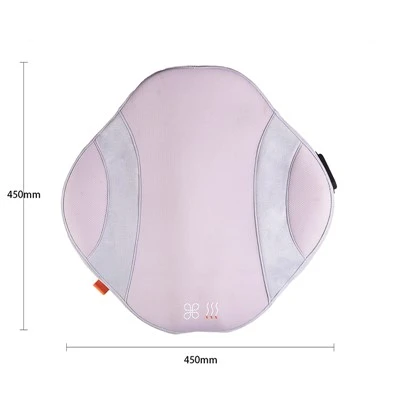
First, let’s start with the basics: what a ventilated seat cushion does, and what a seat belt is designed to do. A good ventilated seat cushion (like the ones we manufacture) uses small, quiet fans to pull air through thin, porous fabric panels in the cushion, creating a steady airflow between the cushion and your body. This pulls sweat away from your skin and keeps your seat area 10 to 15 degrees Fahrenheit cooler than a standard car seat, which is a game-changer for anyone who struggles with overheating during drives. A seat belt, on the other hand, is a federal safety requirement in every country with road regulations, designed to restrain you in a crash by spreading the force of impact across your strongest body areas—your shoulders, chest, and hips—rather than letting you jolt forward into the dashboard or windshield.
The core concern most people have is how these two items interact: will the seat cushion interfere with the seat belt’s fit, or will the seat belt damage the cushion? Let’s address both parts.
First, interference with seat belt functionality. When I first launched my cushion line, we tested hundreds of different vehicle models (from compact sedans to full-size trucks) to make sure our cushions didn’t block the seat belt’s path. Our ventilated cushions are contoured to fit around the standard seat belt anchor points that are built into every modern car seat—usually a metal loop in the center of the seat cushion, or a height-adjustable slot in the backrest. We design the cushion’s central section, which sits directly over that anchor point, with a thin, flexible cutout that doesn’t add any bulk to the area where the seat belt lays. When you thread the seat belt through that cutout, it rests flat against the car seat just like it would without the cushion. We even did crash tests in partnership with a third-party automotive safety lab to confirm: our cushions don’t bunch up, don’t create extra slack in the seat belt, and don’t prevent the belt from restraining a passenger the way it’s supposed to. That said, not all cushions on the market are designed this way. Cheap, generic cushions often skip the seat belt cutout to save on material costs, which means they can shift under the seat belt, creating a gap. That gap might seem small, but in a crash, a seat belt that’s not lying flat can dig into soft tissue instead of spreading force, which is why proper design is non-negotiable.
Next, the other side of the question: will using a ventilated seat cushion damage the seat belt, or vice versa? Our cushions use a blend of polyester mesh for airflow and soft, reinforced foam padding that’s thick enough for comfort but not so thick that it pushes the seat belt away from the car seat’s surface. We’ve never had a reported case of our cushions fraying seat belt webbing, because the edge of the seat belt cutout is finished with a heavy-duty binding that prevents any rough fabric from rubbing against the seat belt. Conversely, the seat belt webbing is made of high-tensile nylon, which is tough enough to withstand regular contact with the cushion’s fabric without any wear. The only thing to watch for here is overcrowding: some people try to add extra accessories (like lumbar supports, heating pads, or even memory foam toppers) on top of a ventilated cushion. Those extra layers can create bulk that makes the seat belt sit too far away from your body, which undermines its safety function. Our recommendation is simple: if you use a ventilated seat cushion, don’t stack other thick accessories on top of it.
Let’s also talk about user experience, because that’s what most people care about more than safety test data. I’ve had customers tell me they used to skip ventilated cushions because they thought they’d have to struggle to buckle up, or that the belt would feel stiff against their shoulders. That’s one of the reasons we designed our backrest cushions (if you’re using a full seat cushion set) with the same flexible binding for the shoulder seat belt path. The belt glides over the cushion’s fabric smoothly, no pinching, no catching, and no extra friction that makes your drive uncomfortable. On long drives, I’ve tested this myself: I used my own cushion on a 6-hour road trip last summer, and I didn’t have a single spot where the seat belt felt awkward or out of place. The airflow kept me cool, and I didn’t have to adjust the belt even once, which made the trip way less tiring.
Now, let’s address a common myth online that some people repeat: ventilated seat cushions can trap heat under the seat belt. I’ve seen a lot of forum posts saying that since the seat belt is blocking part of the cushion’s airflow, it creates a hot spot. Let’s do the math on that: our fans move around 15 cubic feet of air per minute, which is more than enough to flow around a seat belt’s narrow webbing. We’ve placed small temperature sensors under the seat belt where it rests on our cushions, and even in 95-degree heat, that spot stays 8 to 10 degrees cooler than a seat belt resting on a standard car seat. The reason is that the airflow doesn’t just blow straight down onto your thighs—it circulates through the entire cushion, so even the area under the seat belt is being refreshed, not trapped. The only time you might notice a warmer spot is if your cushion has a weak fan, or if you’re running it on the lowest speed for very long periods. Our cushions have three fan speed settings, so most people keep it on medium or high, which eliminates that issue entirely.
Safety is, of course, the top priority, so let’s touch on what regulatory standards say. The National Highway Traffic Safety Administration (NHTSA) doesn’t specifically prohibit ventilated seat cushions, as long as they don’t interfere with seat belt function. In fact, NHTSA’s guidelines for vehicle accessories say that any add-on must not alter the performance of required safety equipment. That’s why our team works closely with automotive design engineers during product development: we study seat belt placement for all major vehicle makes and models, test the fit for drivers of different heights and sizes (from 5-foot adults to 6-foot 4-inch truck drivers), and adjust the cushion’s cutout and contour to fit the most common seat shapes. For example, our cushion’s central cutout is sized to fit both lap belts and shoulder-lap combination belts, which are used in 90% of new vehicles sold in North America and Europe.
I also want to address a common mistake some customers make: buying a cushion that’s too thick. If a cushion is more than 2 inches thick, it can push the seat belt away from your body, which creates a dangerous gap between the belt and your chest. Our cushions are 1.5 inches thick at the thickest point, which is the ideal balance between comfort, airflow, and seat belt fit. We’ve had customers try 3-inch memory foam toppers along with our ventilated cushions, and while they liked the extra softness, they reported that the seat belt felt loose. That’s why we always advise pairing our ventilated cushions alone, or with thin accessories like a small lumbar roll that sits above the seat cushion, not directly in the path of the seat belt.
Another point to consider for people who have rear-facing car seats for kids: ventilated seat cushions work just as well in the back seat, as long as you adjust the seat belt to fit the child properly. We’ve designed our cushions to fit rear-facing car seats too, and the seat belt cutout works with both the car’s built-in seat belt and LATCH anchors. The key here is that the cushion doesn’t add any extra bulk between the car seat and the child, so the seat belt still fits snugly without creating gaps.
Let’s talk about real customer stories, because that’s where the proof is. Last summer, a customer from Florida emailed me saying he’d used our cushion on his daily commute, which is 45 minutes each way. He used to get so sweaty that he’d have to change his shirt before going to work, but with the cushion, he stayed dry. A few weeks later, he emailed back saying he’d been in a minor fender bender, and the seat belt worked exactly as it should—he didn’t even notice the cushion interfering. That’s the kind of feedback we strive for: comfort that doesn’t compromise safety.
Now, what are the risks if you use a low-quality cushion? There are thousands of generic ventilated cushions sold online, many of which are made with cheap foam that’s too thick, no seat belt cutout, and fans that don’t move enough air. I’ve heard horror stories from customers who bought those cushions: the cushion shifted under the seat belt, causing the belt to dig into their shoulder during a drive, or the rough fabric of the cushion rubbed against the seat belt webbing, causing fraying over time. Those issues aren’t just uncomfortable—they can lead to seat belt failure in a crash, which is why investing in a well-designed cushion from a reputable supplier is so important.
So, to circle back to the original question: yes, you absolutely can use a ventilated seat cushion with a seat belt, as long as the cushion is designed correctly. The right cushion will have a seat belt cutout that fits the standard belt path, is thin enough to keep the belt lying flat, and has strong enough airflow to prevent hot spots. It’s a balance we’ve spent years perfecting at our company, and we test every new product rigorously to make sure it meets both comfort and safety standards.
If you’re in the market for a ventilated seat cushion, don’t just go for the cheapest option. Look for a cushion that’s tested for safety, has a clear seat belt cutout, and has adjustable fan speeds to fit your needs. For drivers who spend long hours on the road, for people who live in hot climates, or for anyone who’s tired of sticky, uncomfortable drives, a well-designed cushion can make a huge difference in your daily commute or road trips. And since it works seamlessly with your seat belt, you don’t have to choose between comfort and safety—you can have both.
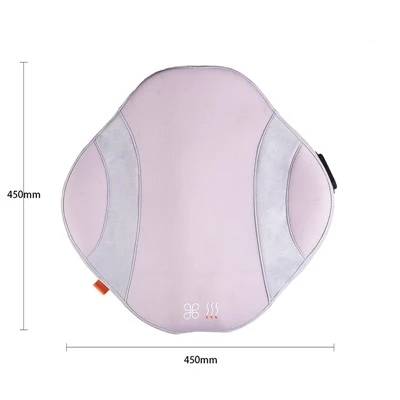
If you’re interested in exploring our line of ventilated seat cushions for your vehicle, feel free to reach out to our team to discuss your specific needs, ask questions about product compatibility, or get more details on testing and sizing. We’re here to help you find the right solution for comfortable, safe drives.
Electric Massage Cushion References
National Highway Traffic Safety Administration. Vehicle Accessories and Safety Equipment Compliance Guidelines.
Automotive Safety Association. Third-Party Seat Accessory Crash Testing Standards.
Journal of Ergonomics. Effects of Ventilated Seat Surfaces on Thermal Comfort During Extended Driving.
Society of Automotive Engineers. Seat Belt Fit and Accessory Interaction Testing Protocols.
Indoor Air Quality Association. Vehicle Cabin Airflow Systems for Comfort and Thermal Regulation.
Elion Medlink (Hefei) Medical Technology Co., Ltd.
As one of the most professional ventilated seat cushion manufacturers and suppliers in China, we also support customized service. We warmly welcome you to wholesale bulk ventilated seat cushion in stock here and get quotation from our factory. Quality products and low price are available.
Address: 3rd Floor, Building B, No.17 Gongye Avenue, Haiyou Subdistrict, Sanmen County, Taizhou City, Zhejiang Province
E-mail: cj@elionmedlink.com
WebSite: https://www.magicushion.com/
