If you’ve ever worked in the aggregate mining, construction, or recycling industry, you know how critical crusher seals are to keeping your equipment running. A single seal failure can shut down your entire operation, delay projects, and cost you thousands in unplanned downtime. That’s why one of the first questions I get from new customers and seasoned plant managers alike is: How much do crusher seals cost? As a supplier who’s worked with crushers across North America for over 12 years, I can tell you there’s no one-size-fits-all answer—but I can break down the factors that shape pricing, what’s worth your investment, and how to avoid common overspending traps. Crusher Seals
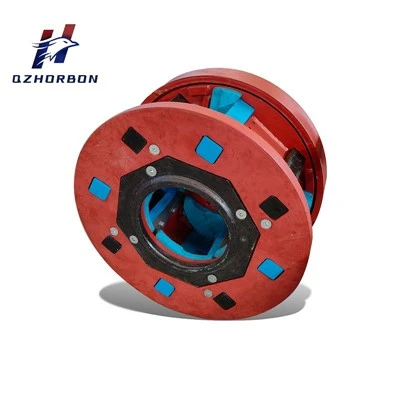
First, let’s get clear on what crusher seals actually do, because their role directly impacts cost. These aren’t generic rubber gaskets you pick up at a hardware store. Crusher seals are precision-engineered components designed to contain lubricants inside the crusher’s bearings and keep contaminants—dust, rock fines, water, and debris—out. For jaw crushers, cone crushers, and impact crushers, the seal sits in a harsh environment where temperatures can swing, pressures are high, and exposure to abrasive materials is constant. Skimping on a seal that’s not built for that environment isn’t just a bad call for performance—it’s a quick way to end up paying more in the long run.
So, let’s dive into the factors that drive the cost of a crusher seal, starting with the most impactful: the type of crusher and its size. A small, portable jaw crusher used for residential landscaping projects will have a much different seal set than a 5-foot cone crusher used in a large quarry. For example, a basic single-lip seal for a 12×12 jaw crusher might range from $40 to $120. But a dual-lip or face seal assembly for a 7-foot secondary cone crusher, which requires extra protection from heavy dust loads, can run anywhere from $350 to $1,200. Larger crushers don’t just need bigger seals—they need seals with more robust materials to handle higher shaft speeds and heavier loads, which directly increases production costs for the manufacturer, and in turn, the price for customers.
Next, material composition is a huge differentiator. Crusher seals aren’t one material fits all. The cheapest seals are often made from standard nitrile rubber, which works for light-duty, low-dust applications. Those usually cost between $20 and $80, but they fail quickly in harsh conditions—often within 3 to 6 months. For medium-duty operations, a nitrile rubber with a fabric reinforcement or a polyurethane overlay will run $60 to $200, and can last 12 to 18 months, making it a better long-term value. For heavy-duty quarries or recycling plants that process abrasive materials, we use seals with stainless steel cores, combined with a fluoroelastomer (FKM) or Viton rubber lip. These can cost $250 to $1,500 per seal, but they hold up to 2 to 3 years of constant use, even in temperatures up to 400°F, and resist chemical exposure from oils or cleaning agents. I’ve had customers tell me they saved $2,000 a year on replacement costs by switching from cheap nitrile seals to Viton-lined ones, so the upfront cost pays off fast.
Then there’s the type of seal design. Basic single-lip seals are the lowest cost, but they only offer one barrier against contaminants. Dual-lip seals add a second lip that provides extra lubrication retention and dirt exclusion, which is why they’re popular for cone crushers. Those are typically 30 to 50% more expensive than single-lip. Face and mechanical face seals, which are used in high-speed gyratory crushers, are the most complex: they have precision-machined metal faces and require exact alignment, so their price tag jumps even more. A standard face seal for a gyratory crusher can be $800 to $2,500, but they last far longer than lip seals because they distribute pressure evenly across the face, reducing wear. I always explain to customers that choosing the right design for their specific crusher environment isn’t just about cost—it’s about avoiding downtime. Last year, a small mining customer tried to use a cheap single-lip seal on their gyratory crusher, and it failed after two weeks. The unplanned downtime cost them $18,000 in lost production, way more than the difference between the cheap seal and the correct face seal.
Another often-overlooked cost factor is compatibility with your crusher’s make and model. Off-brand or universal seals might seem like a bargain, but many are not engineered to fit the exact tolerances of your equipment. If a seal is too loose, it won’t keep contaminants out; if it’s too tight, it will cause excessive shaft wear and fail prematurely. For example, a seal made for a Sandvik cone crusher will not fit the same as one for a Metso, even if they’re both the same size. We see this all the time: customers buy a $30 universal seal, only to find it doesn’t seat properly, so they have to buy the correct $150 seal anyway—and they wasted time and money on the wrong part. I always advise customers to provide their crusher’s serial number or the part number of their old seal when shopping, because that ensures compatibility and saves you from costly mistakes.
Now, let’s talk about average price ranges to set expectations, based on real orders I’ve fulfilled over the past two years. For small, light-duty crushers (under 20 inches of feed opening), seals cost $20 to $150, with most customers opting for the $60 to $80 polyurethane options that last 12 months. For medium crushers (20 to 48 inches, used in small to medium quarries), seals range from $70 to $400, with an average order value of $180 to $250. For large heavy-duty crushers (over 48 inches, used in major quarries or mining operations), seals run $300 to $2,800, with most customers purchasing multi-seal kits (for both main and auxiliary bearings) that average $1,200 to $1,800.
But here’s the thing: the lowest upfront cost isn’t always the best deal. I once had a customer come to me after months of buying $50 seals from a big-box industrial supplier. Their seal failure rate was 80%, and they were spending $1,200 a month on replacements. We recommended a $180 Viton-lip dual-lip seal that’s made for their crusher. Since switching 18 months ago, they’ve only had one failure, and their annual seal costs have dropped to $432. That’s a huge difference in total cost of ownership. I always tell customers to ask three questions when pricing crusher seals: How long will this last? What’s the failure rate for this product? And does this seal match the exact requirements of my crusher? If you can’t get those answers, the price tag isn’t worth it.
There are also a few additional costs to consider that are sometimes overlooked. Installation: a bad installation can turn a good seal into a dud. If you don’t have experience aligning crusher seals, you might need to pay a technician $150 to $300 per hour to install it, which adds to the total cost. Storage: if you buy seals in bulk, make sure you store them properly (in a cool, dry place, away from sunlight and chemicals) to prevent them from deteriorating before use. A seal that’s stored incorrectly for six months can perform as poorly as a cheap, low-quality seal, so don’t waste money on bulk purchases you can’t store correctly.
Now, let’s address some common myths I hear from customers. First, “All crusher seals are the same.” No, they’re not. A seal made for a jaw crusher won’t work for a cone crusher, and a seal made for dry climates won’t hold up in wet, coastal areas. Second, “Bigger is always more expensive.” That’s true for most crushers, but a small heavy-duty seal can cost more than a large light-duty one if it’s made for a harsh environment. For example, a 10-inch stainless steel-faced seal for a recycling crusher (which is exposed to constant debris) costs more than a 30-inch nitrile seal for a stationary concrete crusher. Third, “Buying in bulk saves money.” Not always. If you can only use 10 seals a year, buying 50 in bulk means 40 seals sitting in storage, which can expire or go bad before you use them. It’s better to buy the right number of seals for your usage rate, even if per-unit cost is slightly higher.
As a supplier, I’m not here to upsell you on the most expensive seal— I’m here to help you find the seal that fits your operation’s needs and budget. If you run a small landscaping business with a portable jaw crusher, we’ll point you to the polyurethane seal that balances cost and lifespan. If you’re a large quarry processing granite, we’ll recommend the Viton-lined stainless steel seal that will minimize downtime. We also offer custom seals for older crushers that have outdated parts or unique operating conditions, which is a service many big suppliers don’t provide.
If you’re tired of seal failures, unplanned downtime, or overpaying for seals that don’t work for your crusher, let’s connect to discuss your specific needs. Whether you need a single replacement seal or a bulk order for your entire fleet, we can help you find the right solution at a price that fits your budget. Don’t let a bad seal derail your next project—reach out today to start a conversation.
Vertical Shaft Impactor Base Frame References:
- Aggregate & Mining Machinery Association. (2022). Crusher Seal Performance Standards.
- Industrial Sealing Technology Association. (2021). Material Selection for Harsh Environment Seals.
- Construction Equipment Maintenance Journal. (2023). Total Cost of Ownership for Crusher Components.
- National Stone, Sand & Gravel Association. (2022). Heavy-Duty Crusher Operation Guidelines.
Quzhou Horbon Mining Parts Co., Ltd.
Quzhou Horbon Mining Parts Co., Ltd. is one of the most professional crusher seals manufacturers and suppliers in China, featured by high quality customized service and OEM service. Please rest assured to buy premium crusher seals at competitive price from our factory. Contact us for pricelist.
Address: No.8 Nanshan Road, Qujiang District, Quzhou City, Zhejiang Province, China
E-mail: horbonmining@gmail.com
WebSite: https://www.horbonmachinery.com/
