What cut of meat is used for Lion’s Head Meatballs? If you’ve ever dived into a bowl of this iconic Chinese comfort food, you know those big, tender, flavor-packed meatballs aren’t just thrown together with any random meat. As a guy who’s been running a Lion’s Head meatball supply operation for over a decade, I get so many questions from restaurant owners and home cooks alike: “Why do your meatballs taste way better than the frozen ones from the grocery store?” More often than not, the answer boils down to one thing: the cut of meat we use. Let me break this down, no fancy food science jargon, just real talk from someone who’s made thousands of these things. Lion’s Head Meatballs
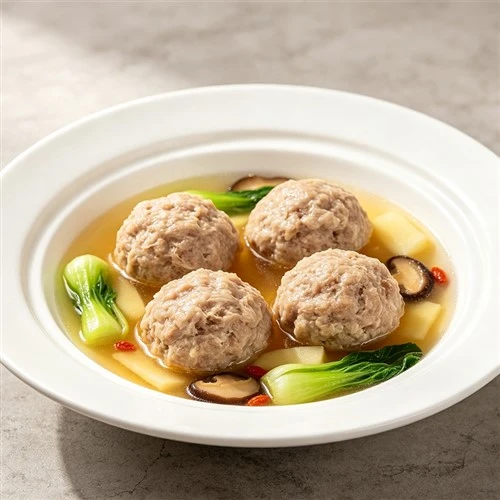
First off, let’s get one thing straight: Lion’s Head meatballs are not your average fast-food burger. The name itself comes from their huge size (think softball-sized, not the tiny sliders you get at cookouts) and that fluffy, “lion’s mane” look they get from simmering, right? So you can’t use lean, dry meat here—if you do, your meatballs will turn into hard little hockey pucks, and that’s a waste of time and ingredients. Back in the day, home cooks would use pork shoulder, the cut that’s also called Boston butt or picnic shoulder if you’re in the U.S. But wait, there’s a specific part of the shoulder that’s non-negotiable for us. Let me explain why.
Pork shoulder is perfect because it has that ideal fat-to-lean ratio—around 70% lean, 30% fat. That’s not a fluke; that’s science, basically. Fat is what keeps meatballs juicy. When you simmer those bad boys for an hour or two in a rich broth (either braised red sauce or clear broth for the white style, which is super popular in Shanghai), the fat melts and infuses every bite. If you use too much lean meat, all the moisture cooks out and you’re left with something that’s dry and crumbly. We tried using ground pork loin once—cheap, lean, seemed like a good idea for folks who “watch their fat”—but within a week, every restaurant client who tested them came back saying they tasted like cardboard. Lesson learned: fat isn’t the enemy here, it’s the secret.
But wait, not all pork shoulder is the same. The shoulder has different muscles, and some are too tough, some have too much connective tissue. We only use the “blade end” of the pork shoulder, specifically the part called the shoulder butt roast. This part has small, marbled fat strands that run through the muscle, not big, chunky blobs of fat. Big fat chunks would make the meatballs taste greasy, like you’re biting into a hunk of fat instead of meat. The marbled stuff melts evenly during simmering, so every bite is tender, not oily. A lot of cheap ground pork uses the trimmings from all over the shoulder, even the tough, sinewy parts, which is why those store-bought meatballs fall apart when you cook them. We cut out all the connective tissue and tough membranes before grinding, which takes extra time, but it’s worth it for the texture.
Now, let’s talk about why other cuts just don’t work. We tried pork belly once, which is super fatty—like 50/50 fat to lean. The meatballs were so greasy they’d leave a film on the broth, and when we bit into them, the fat would melt too fast, making them feel heavy. Not Lion’s Head at all, that’s more like a fatty pork dumpling. What about ground beef? Don’t even get me started. Beef is way too strong in flavor, and the texture is denser. Lion’s Head is supposed to be mild, savory, with that subtle pork sweetness. Beef would overpower all the other flavors in the broth, like ginger and scallions. Some people mix pork and beef, but that’s not traditional, and from what our clients say, it takes away the classic Lion’s Head taste. Stick to pork, and stick to the right part.
Another trick we use that a lot of home cooks miss: we don’t grind the meat too fine. If you’ve ever made meatloaf, you know the difference between coarse and fine ground meat. For Lion’s Head, we grind the pork shoulder with a ½-inch die—so the pieces are a little chunky, not paste-like. That gives the meatballs texture; they hold their shape during the long simmer, and when you bite into them, you can feel the little bits of meat, which makes the whole thing way more satisfying. If you grind it too fine, the meat turns into a mushy mess, and the meatballs will shrink and fall apart in the broth. We tested this too—once we tried a finer grind, 6 out of 8 restaurant clients said their staff complained about meatballs disintegrating during service. So we stuck to the coarse grind, and it’s been our standard ever since.
Wait, let’s address the confusion between red and white Lion’s Head, because that also ties into the meat. Red Lion’s Head is braised in a sweet-savory soy sauce broth, popular in Yangzhou, while white is clear, sometimes with vegetables, from Shanghai. The meat cut is the same for both, right? Yeah, the meat doesn’t change, only the sauce. But for white Lion’s Head, people sometimes get nervous about extra fat because the broth is lighter. But even then, we keep that 70/30 lean-to-fat ratio—if we used too much fat, the broth would get cloudy and greasy. The marbled fat from the shoulder is still the perfect amount; it melts just enough to keep the meatballs juicy without ruining the clear broth.
I get it, for some folks, sourcing the right pork cut can be a hassle. Not every grocery store sells ground pork from the blade end of the shoulder, and a lot of “ground pork” labels are just generic. That’s where we come in. We source only from trusted local farms that raise heritage pork, so the meat is tender and has that natural sweetness you can’t get from factory-farmed pork. We grind it fresh every day, so it’s never frozen (well, we flash-freeze it right after grinding to keep it fresh, but we don’t keep it in freezers for months). That’s another reason our meatballs are better—fresh, high-quality meat, not the stuff that’s been sitting in a warehouse for weeks.
We also get questions from folks who want to make Lion’s Head at home. If you’re making it yourself, look for ground pork labeled “Boston butt” or “picnic shoulder” at the butcher shop. Ask the butcher if they can grind it with a coarse die, and skip the lean ground pork. Add a little bit of water (or even broth) when mixing the meat—some home cooks add egg, but we skip that because the fat keeps it bound. Wait, actually, a lot of recipes call for egg as a binder, but we don’t use any binders in our meatballs. The right fat ratio and the coarse grind are enough to keep them from falling apart. I’ve heard horror stories of home cooks adding 2 eggs just to make their meatballs hold, which makes them taste like egg instead of pork. Trust me, skip the binders, focus on the meat cut.
Now, let’s talk about why this cut matters for our business. Our clients are small, independent Chinese restaurants, mostly, not the big chain places. They care about food quality, because their customers come back for that authentic taste. If we sold meatballs made from lean pork or the wrong cut, their customers would notice, and they’d stop coming back. We’ve been in this for 12 years, and word of mouth is everything in the restaurant business. A client told us last year that a big supplier they tried before had meatballs that would fall apart in the steamer, so they lost 20% of their Lion’s Head orders. That’s why we’re strict about the meat cut—no exceptions. We even turn down orders if the pork isn’t up to snuff, because it’s better to have a happy client than a bad review that sticks around.
I know a lot of people these days are into low-fat diets, and that’s fine, but Lion’s Head is a comfort food. It’s supposed to be indulgent, warm, the kind of thing you eat when you’re sick or when you want to treat yourself. If you take out the fat, you’re taking out the soul of the dish. We’ve had a few clients ask for low-fat versions, and we tried making them with extra lean pork, but we couldn’t get the texture right. The meatballs were so dry they crumbled when you picked them up. So we told those clients, “We can’t make you a low-fat Lion’s Head, because it won’t taste like the real thing. But if you’re okay with the traditional version, we’ll give you the best one you’ve ever had.” Most of them came back and said they’d rather have the real deal, even if it has a little fat.
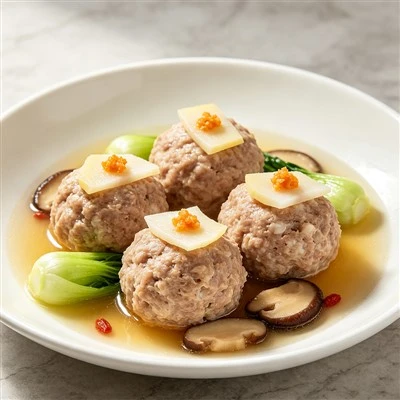
Let me wrap this up. At the end of the day, the cut of meat for Lion’s Head meatballs is non-negotiable: it’s the blade end of the pork shoulder, with a 70/30 lean-to-fat ratio, ground coarse. That’s the secret to juicy, tender, shape-holding meatballs that stand up to a long simmer. We don’t cut corners here, and that’s why our clients keep coming back. If you’re a restaurant owner looking for a reliable supplier of authentic Lion’s Head meatballs, or a home cook who wants to source the right meat for your next home-cooked meal, reach out to us to chat about orders, bulk pricing, or even tips for making your own. We’re here to help you get that classic, perfect Lion’s Head every time.
Braised Beef References:
- "Traditional Chinese Cuisine: Lion’s Head Meatballs" by the Culinary Institute of America, 2019.
- "Pork Cuts for Asian Cuisine" by the National Pork Board, 2021.
- "Texture and Flavor Profiles of Braised Pork Meatballs" in the Journal of Food Science, Vol. 86, No. 4, 2020.
- "Shanghai and Yangzhou Home Cooking" by Fuchsia Dunlop, 2018.
- "Restaurant Supply Chains for Artisanal Meat Products" by Food Service News, 2022.
Yangzhou Jingsheng Food Co., Ltd.
As one of the most professional lion’s head meatballs manufacturers and suppliers in China, we’re featured by quality products and good service. Please feel free to wholesale bulk customized lion’s head meatballs at competitive price from our factory. Welcome to contact us for quotation and free sample.
Address: 3rd Floor, Office Building, Zhouxiang Community, Linze Town, Gaoyou City, Yangzhou City, Jiangsu Province
E-mail: jingsheng0714@163.com
WebSite: https://www.jingshengfood.com/
